IISc Karnataka Empowers Punjab Government School Teachers with Advanced AI and IT Skills
Punjab / Karnataka, 26 July 2026: In a significant initiative to strengthen digital education in Punjab’s government schools, the Government of Punjab successfully organised the first batch of the Mission Raftaar Capacity Building Programme for computer teachers at the Indian Institute of Science (IISc), Challakere Campus, Karnataka. A total of 60 computer teachers from government schools across Punjab successfully completed the five-day residential training programme titled “Advanced IT & Emerging Technologies”, conducted from 20 to 24 July 2026.
Sponsored by the Government of Punjab and organised by the Talent Development Centre (TDC) in collaboration with the HAL-IISc Skill Development Centre (SDC), the programme aimed to equip teachers with advanced knowledge and practical skills in cutting-edge technologies, enabling them to deliver future-ready computer education in government schools.
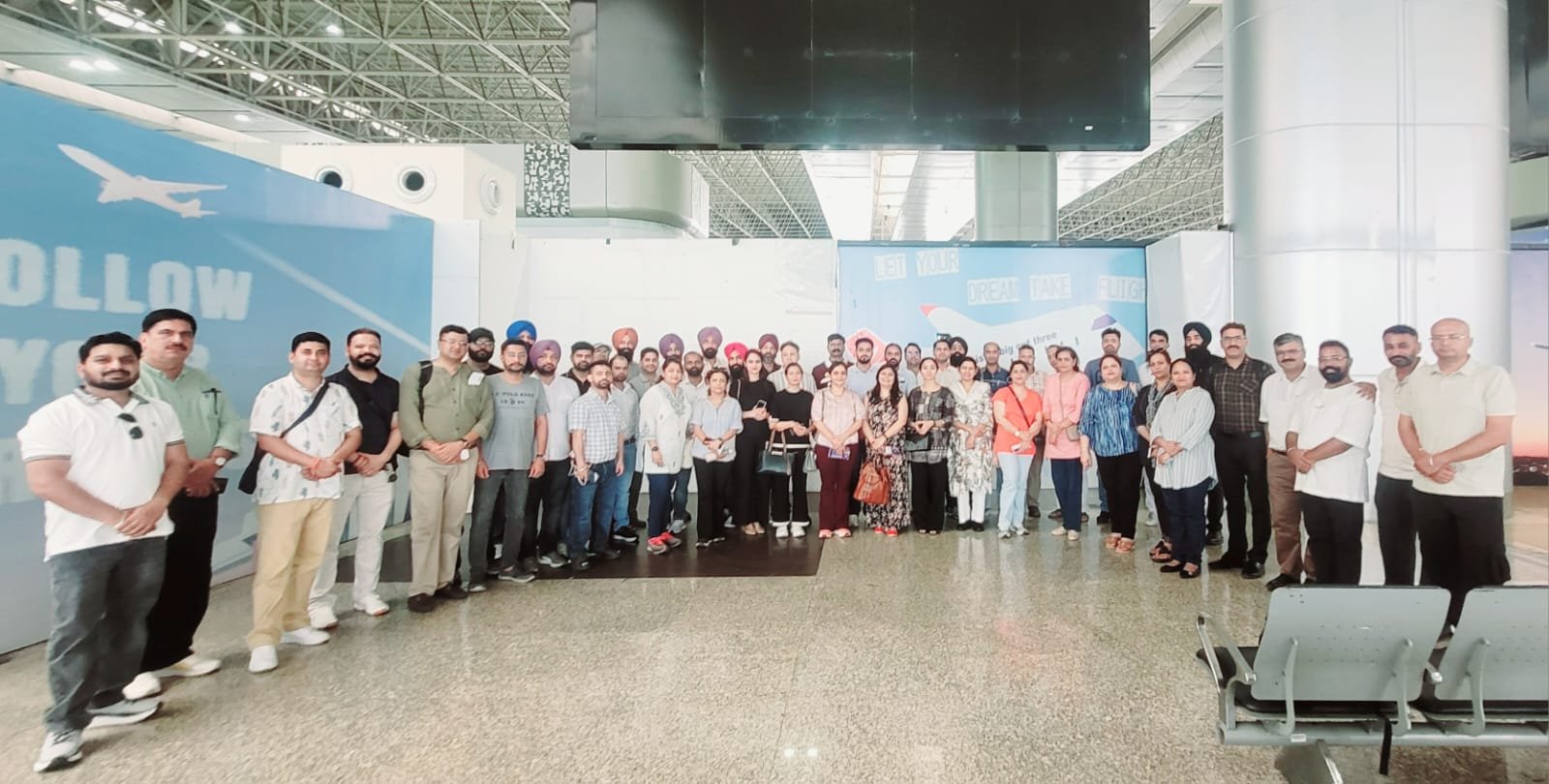
The participating teachers departed from Punjab on 19 July and returned on 25 July 2026. Attendance throughout the residential programme was compulsory to ensure complete participation in all academic sessions, laboratory activities, and field visits. Yunes Khokhar, SRP Computer Punjab, served as the State Coordinator, efficiently coordinating the programme and representing the Punjab contingent throughout the training.
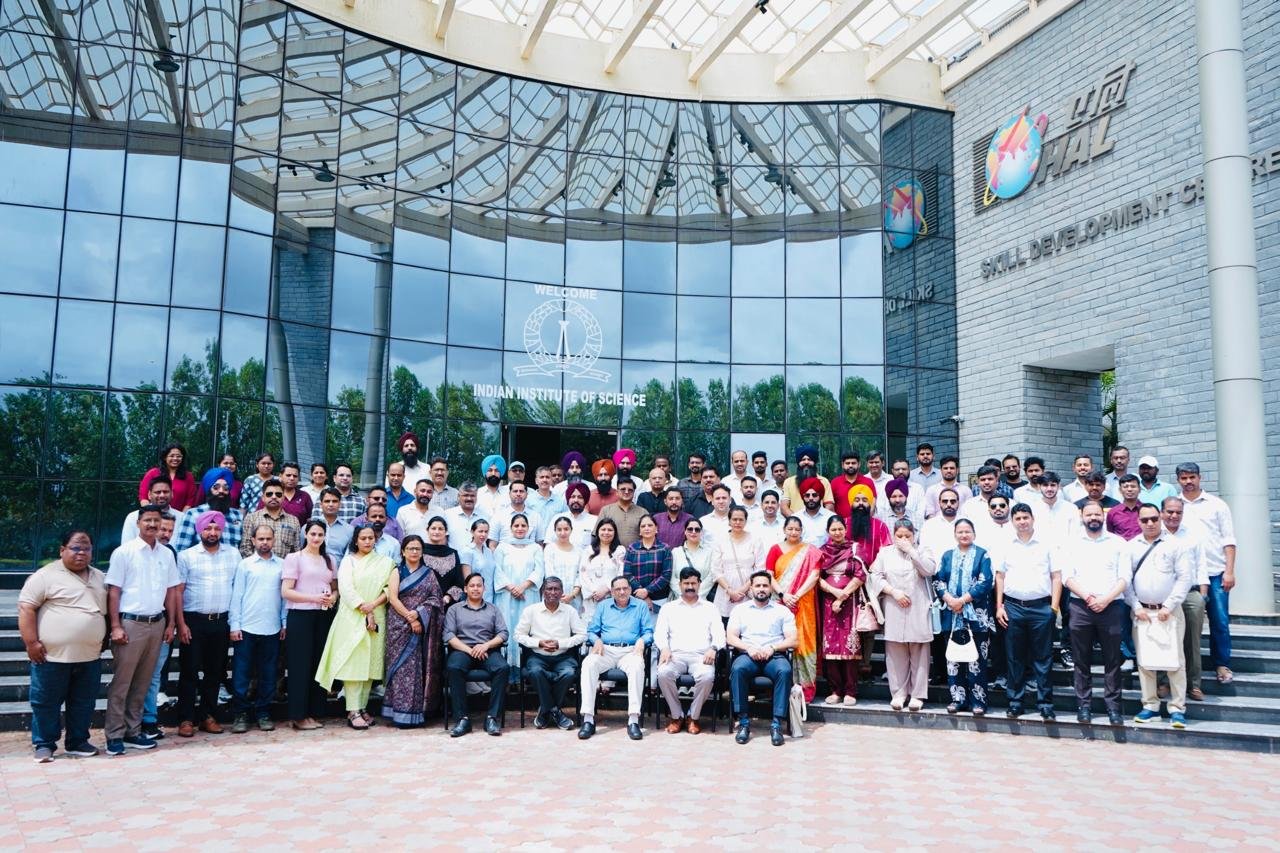
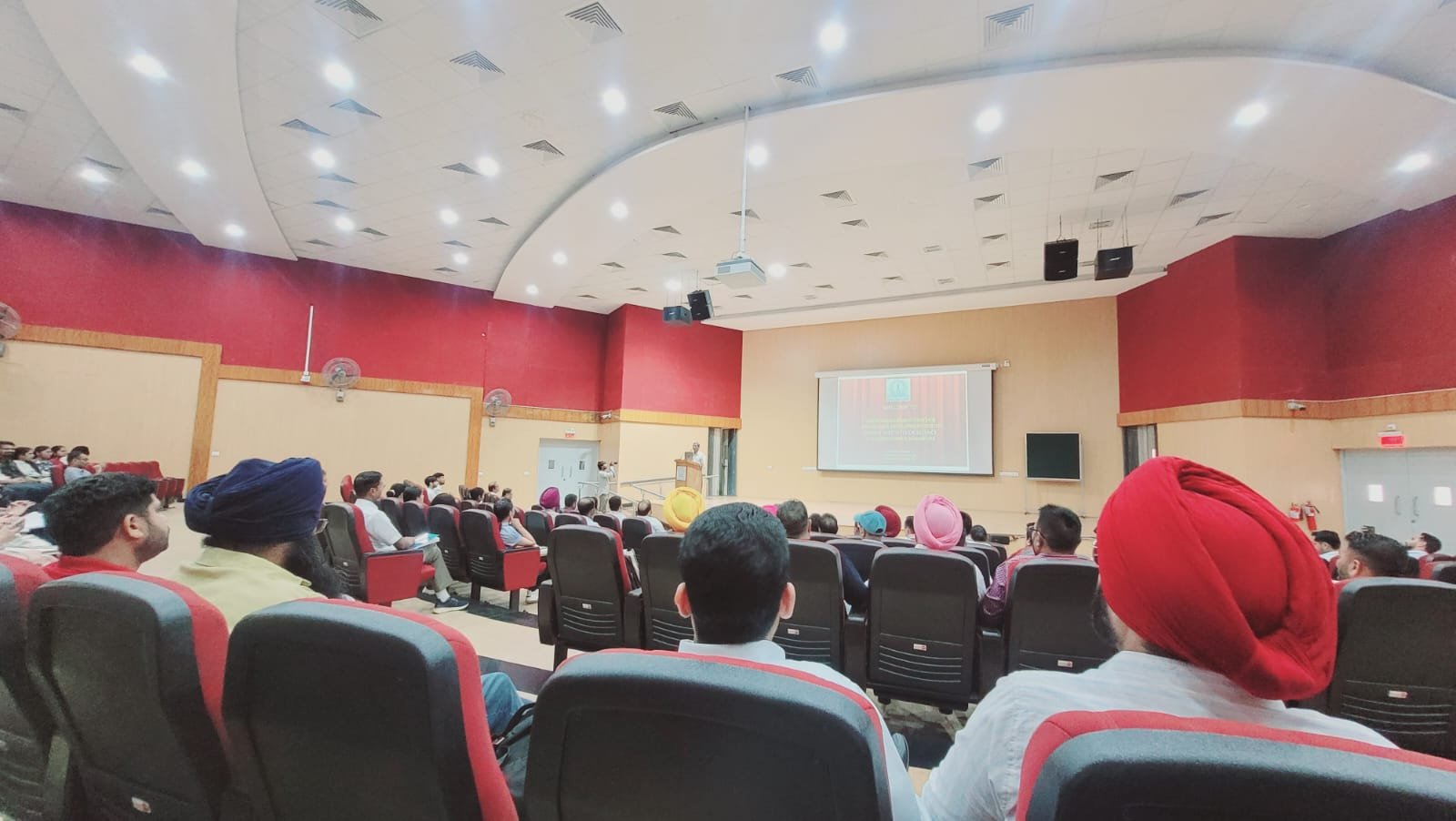
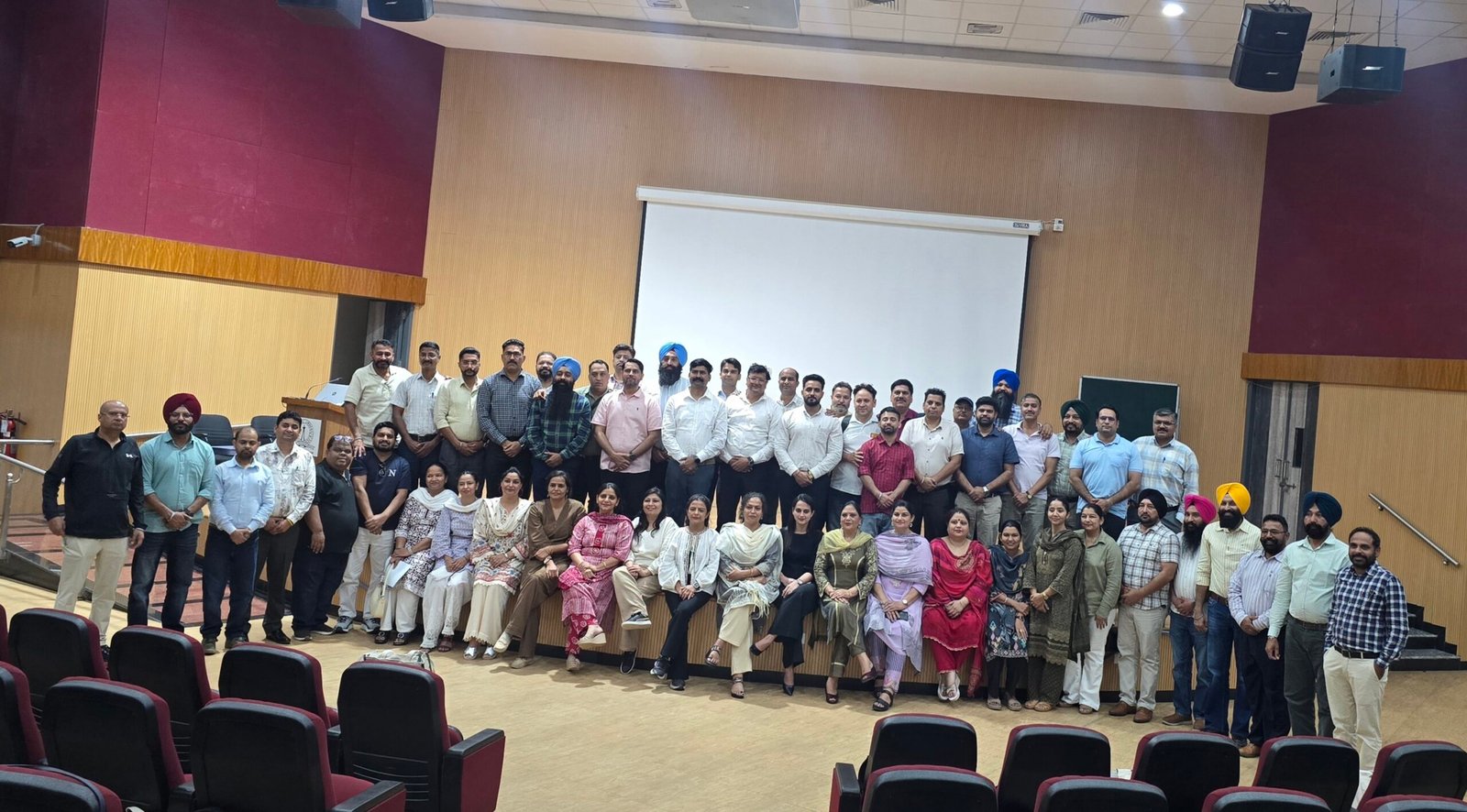
The programme commenced on 20 July 2026 with an inaugural session addressed by Dr. Subba Reddy B, Convener of the Talent Development Centre and Skill Development Centre at IISc. During his keynote lecture titled “IISc 100 Years and Beyond… IISc Second Campus,” Dr. Reddy highlighted the remarkable journey of IISc over the past century, its contributions to scientific research and innovation, and the vision behind the expansion of its second campus at Challakere. The inaugural ceremony concluded with a group photograph of all participants and faculty members in front of the Skill Development Centre building.
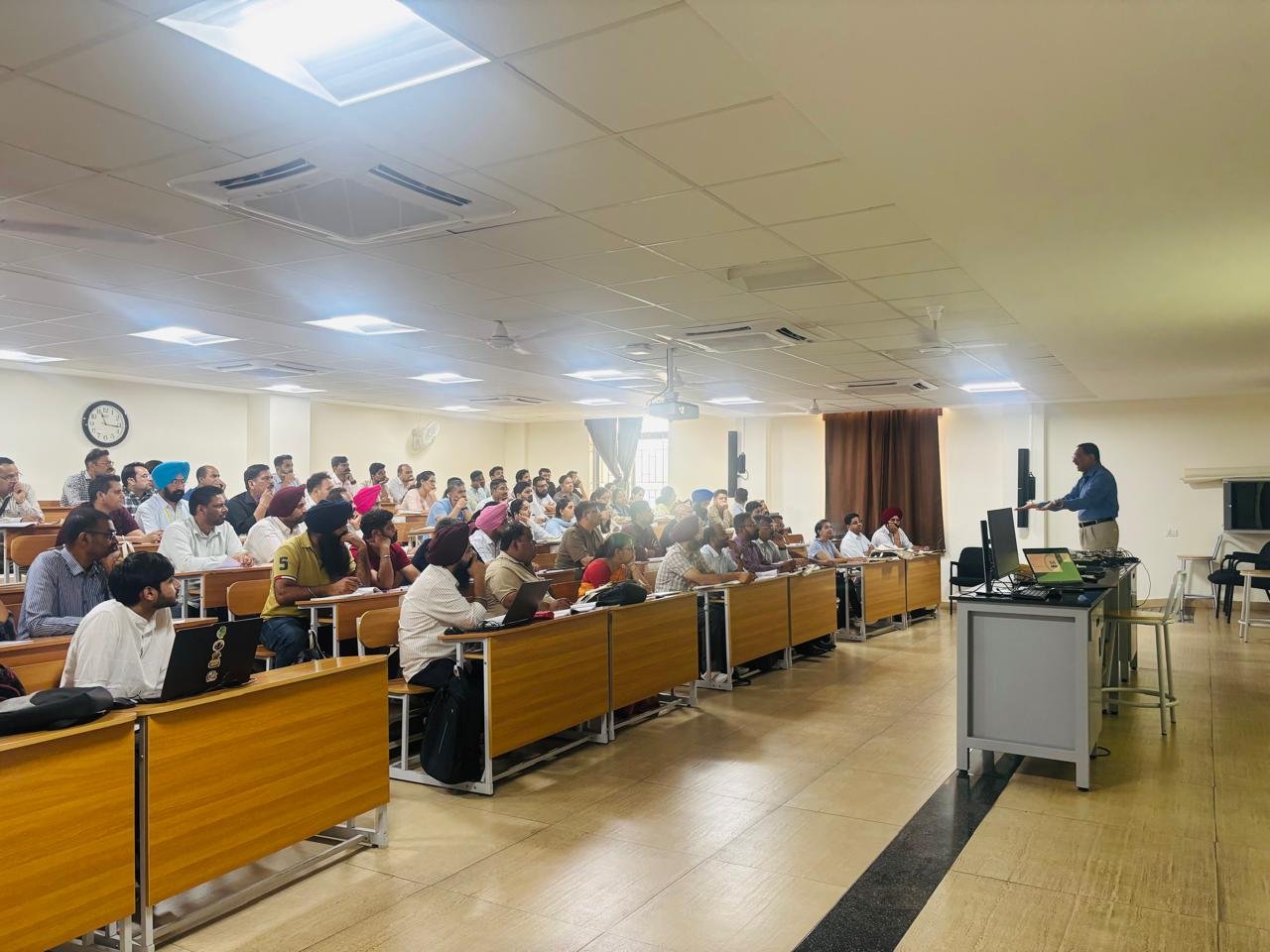
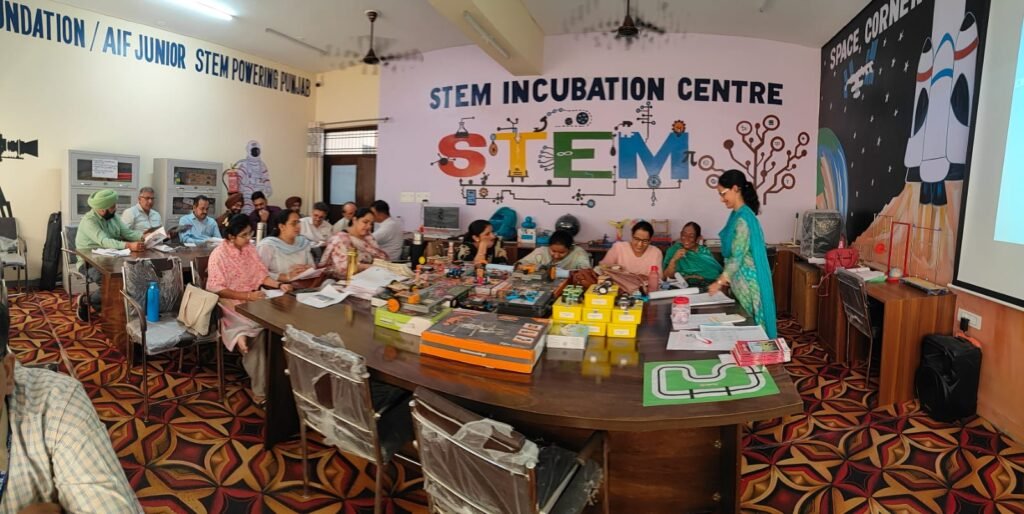
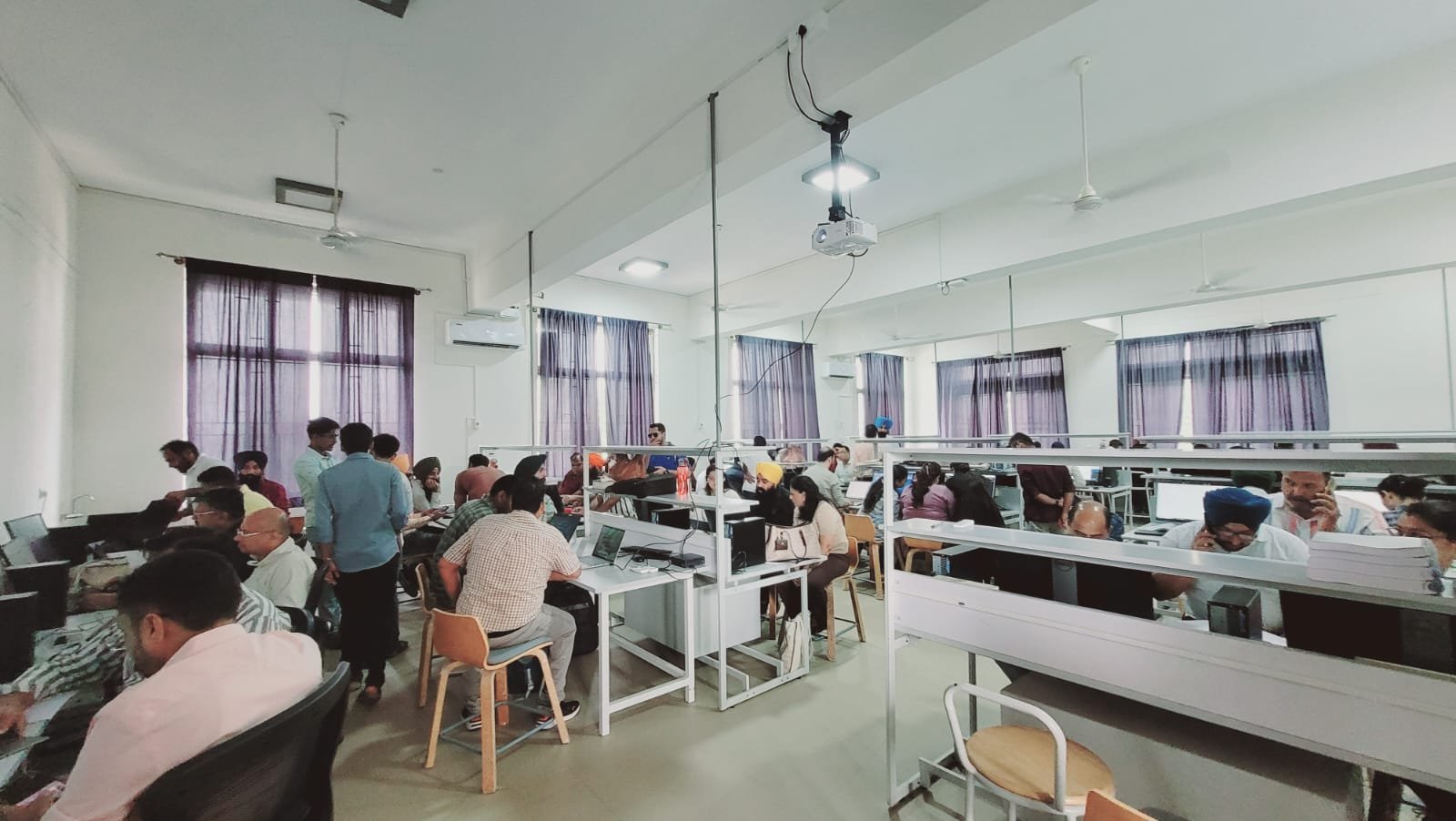
Throughout the five-day programme, the participants attended a series of expert lectures, laboratory sessions, and practical demonstrations conducted by distinguished IISc faculty members and researchers. Prof. Prabhakar T.V. introduced participants to the rapidly growing field of the Internet of Things (IoT), explaining how interconnected devices are transforming industries, agriculture, healthcare, education, and smart cities. Hands-on IoT laboratory sessions were conducted by Bharadwaj Shankar Bhat, Ajith Sakthivel, and Mohammed Furqan Ahmed, enabling teachers to gain practical experience with sensors, microcontrollers, and real-time IoT applications.
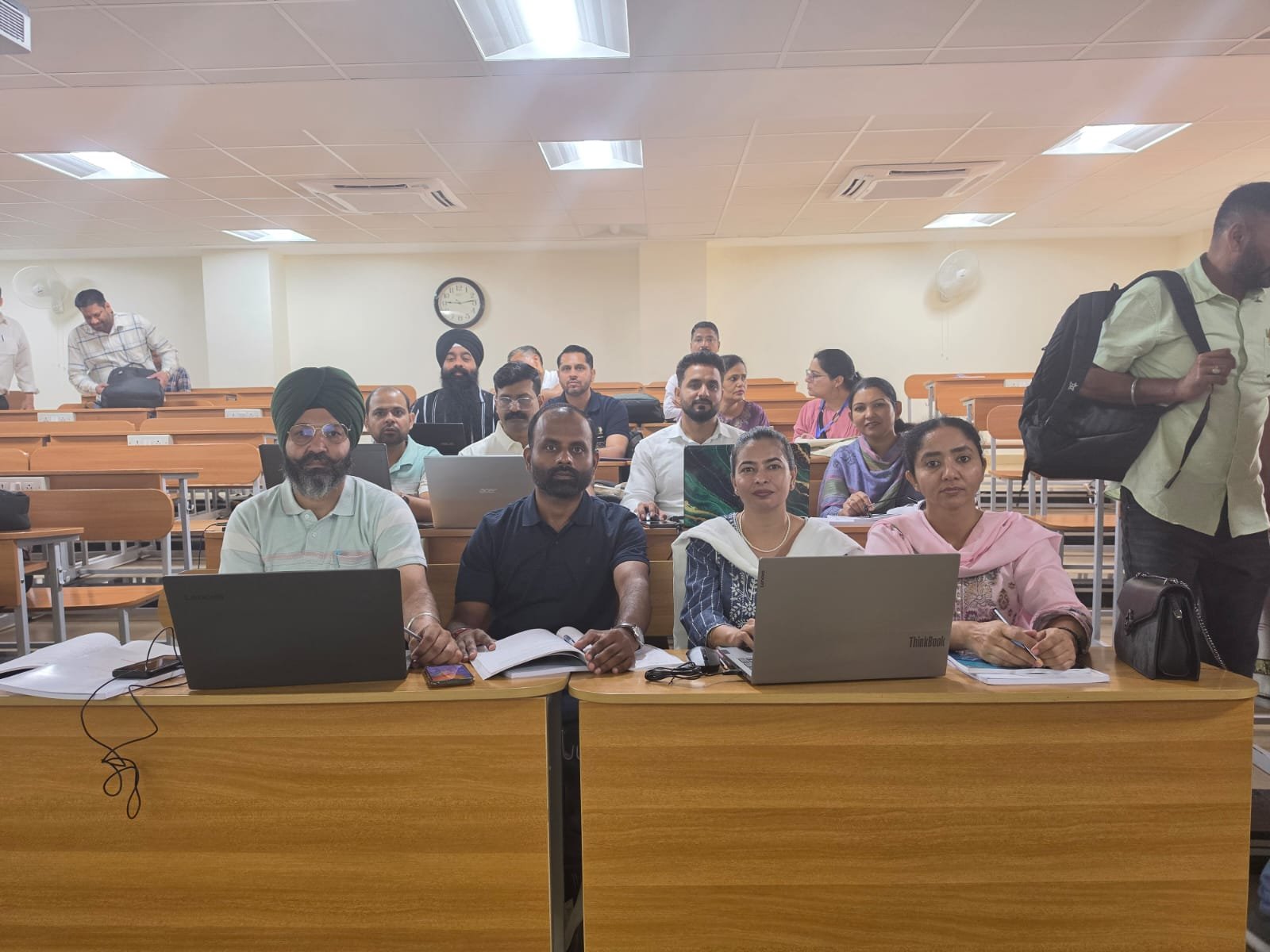
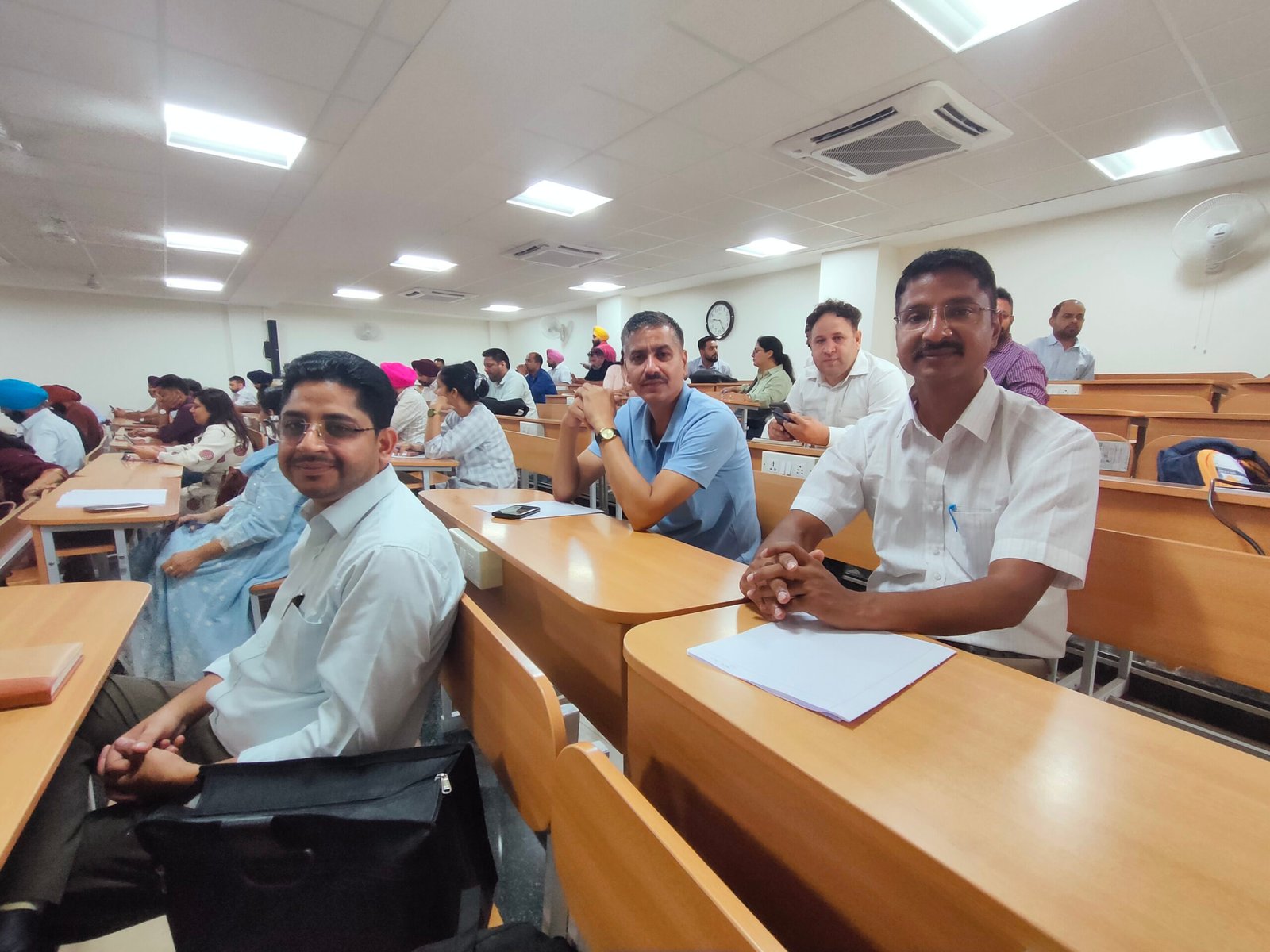
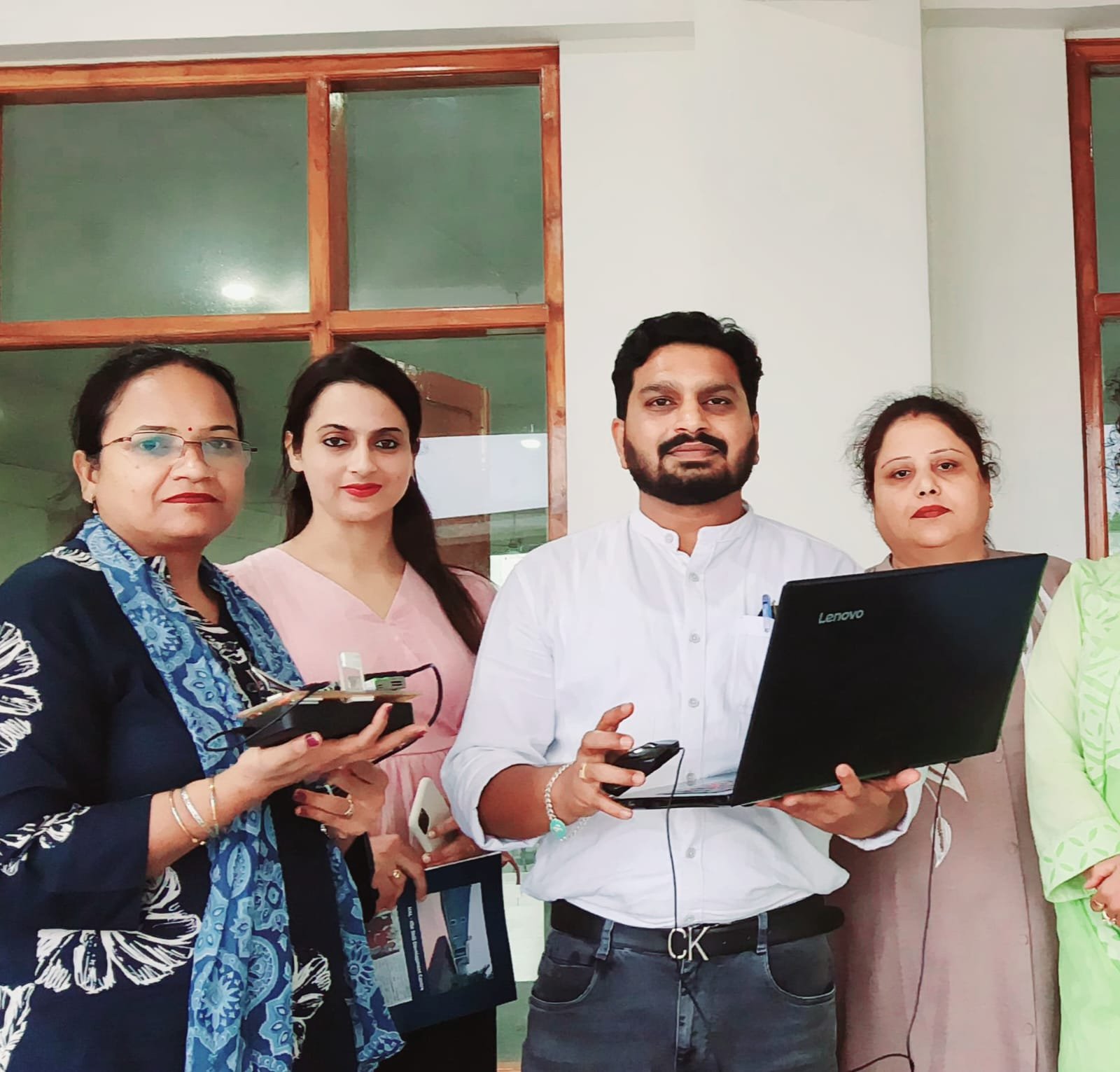
The concepts of Artificial Intelligence (AI) and Machine Learning (ML) were taught by Prof. Phaneendra Yalavarthy and Prasad Sudhakar, who explained AI fundamentals, neural networks, supervised and unsupervised learning, and their real-world applications in education and research. Practical AI and ML laboratory sessions were conducted by Nikhileswara Rao, Bharath Tangella, Eswar Machara, and Ashwin Rajkumar, providing participants with hands-on experience in developing AI models and understanding data-driven decision-making.
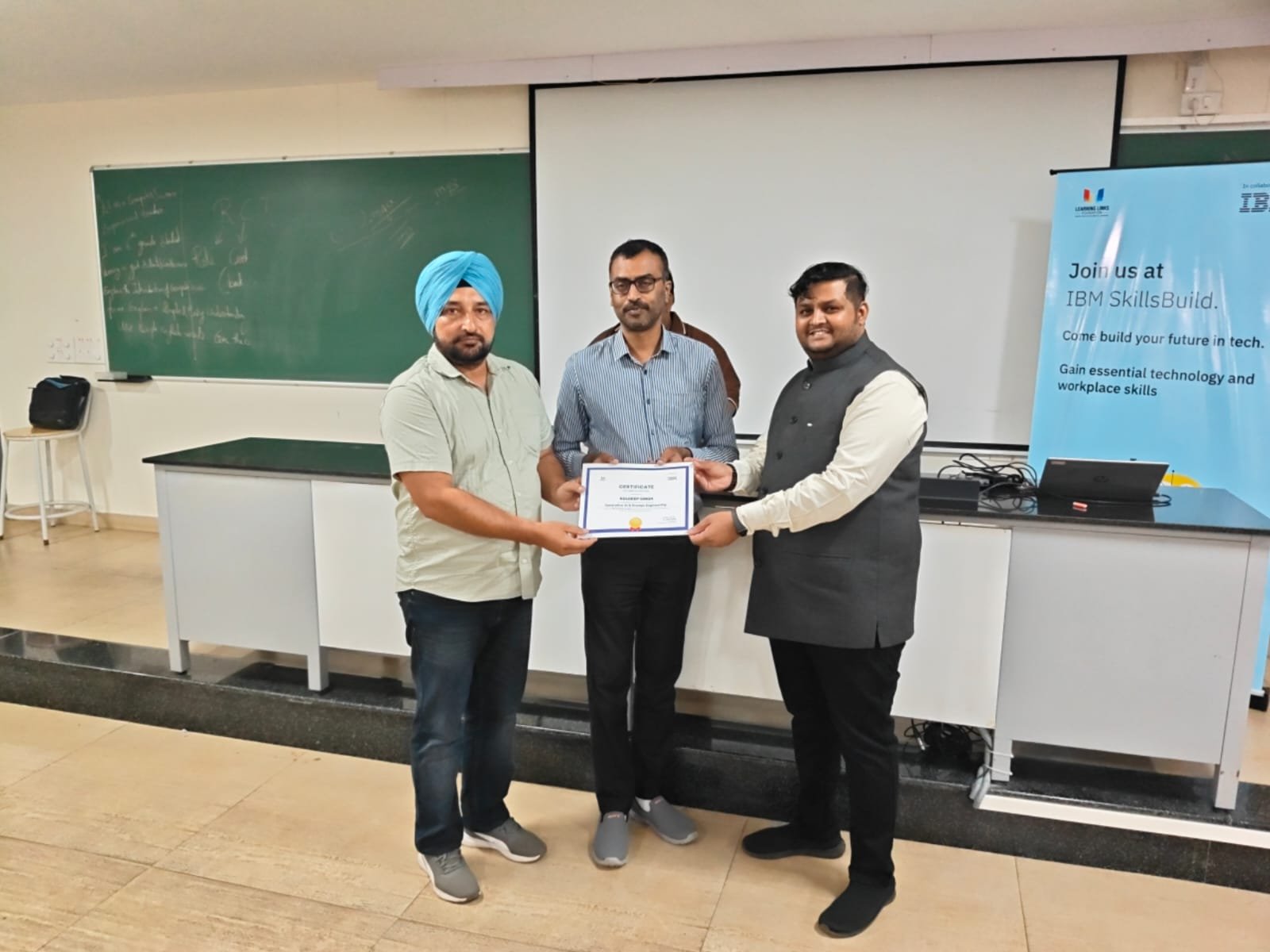
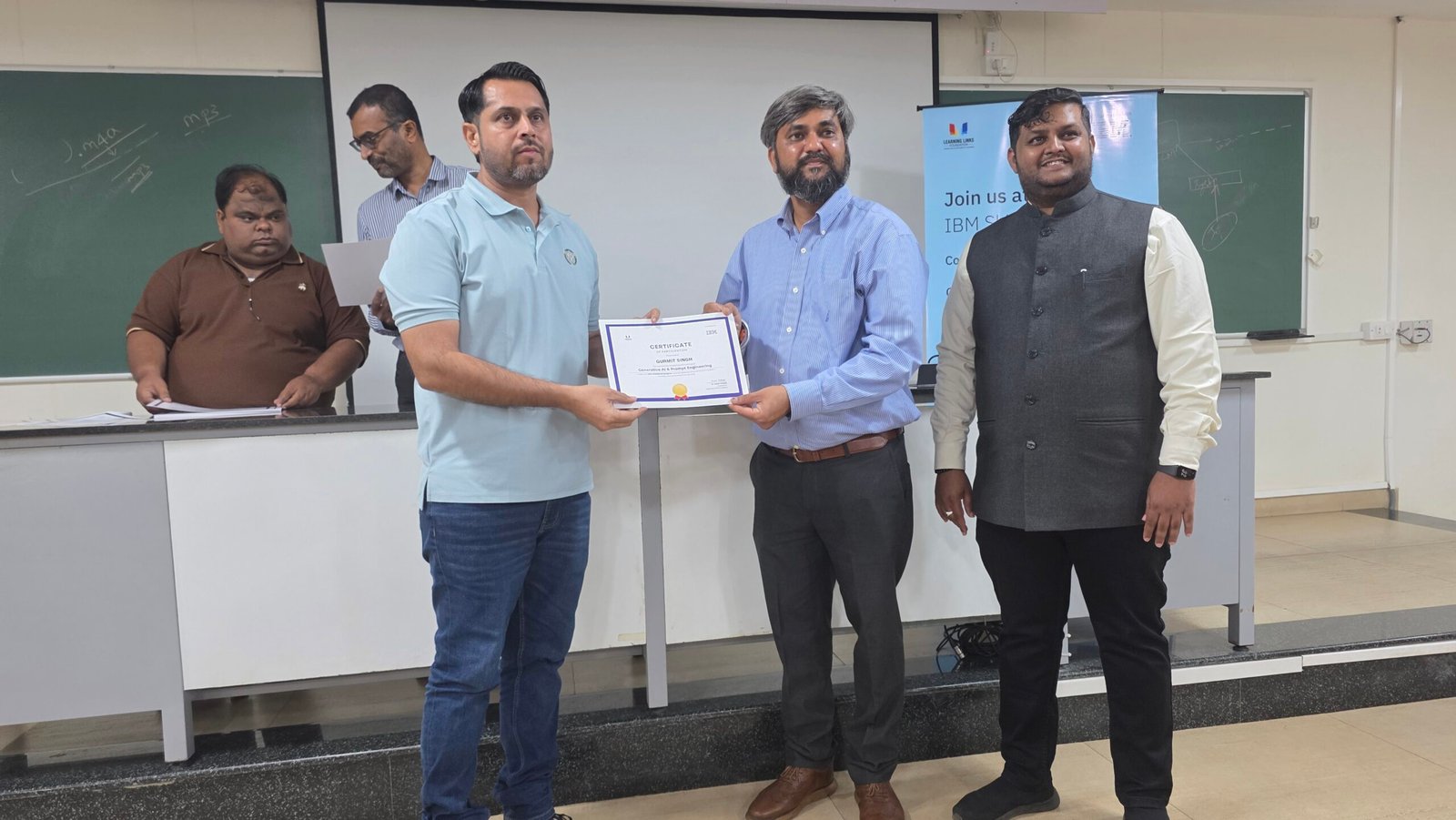
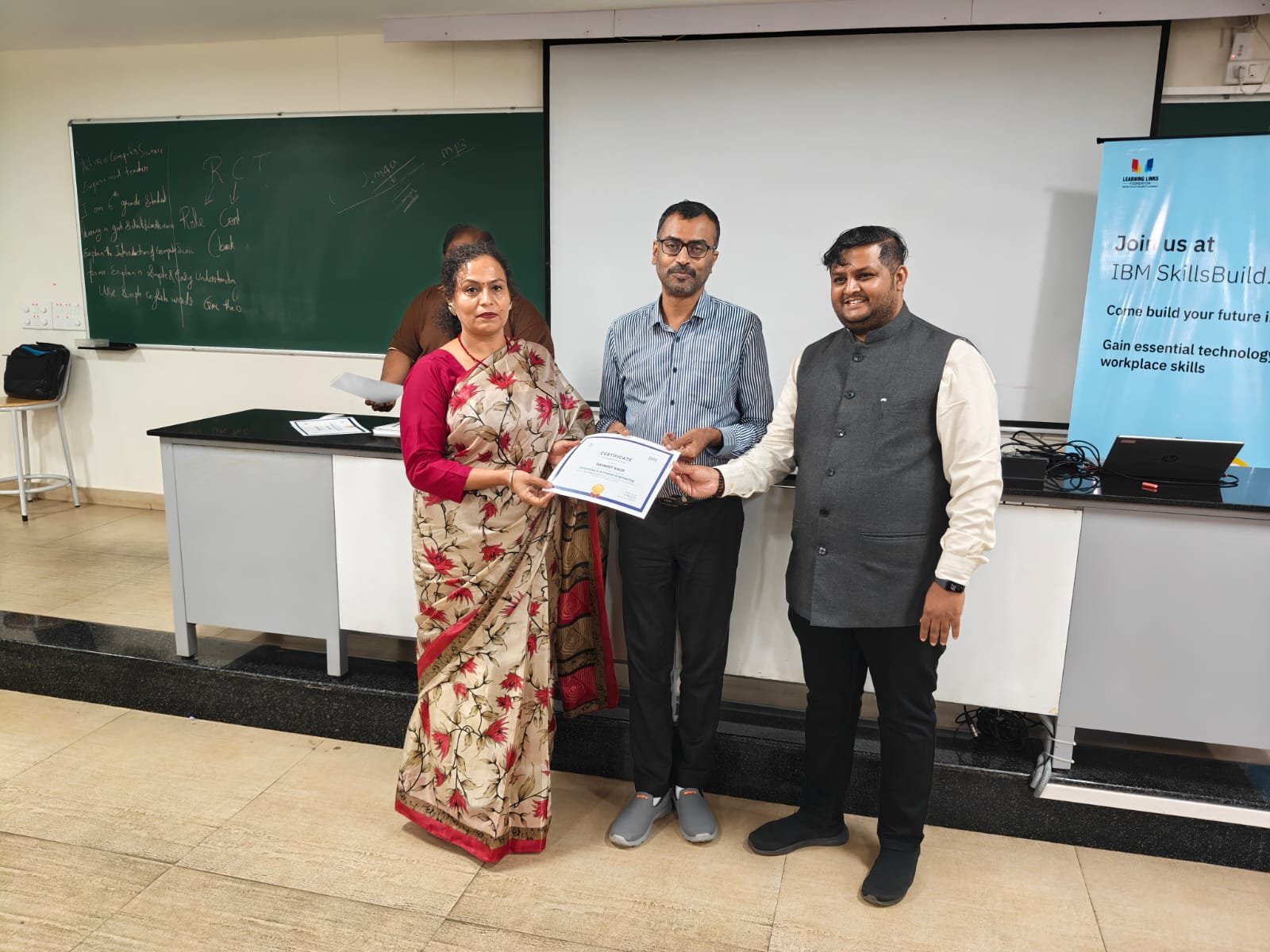
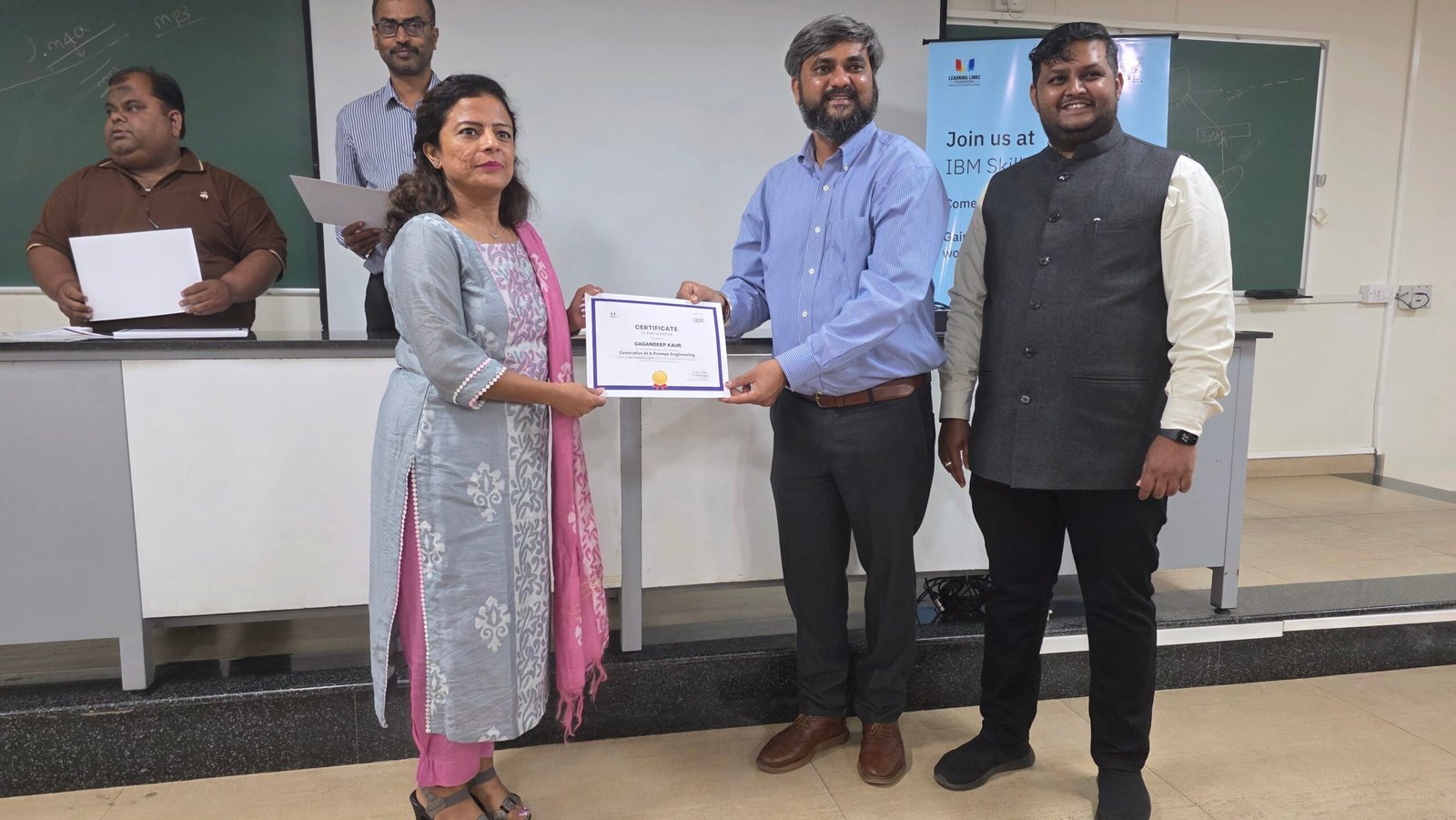
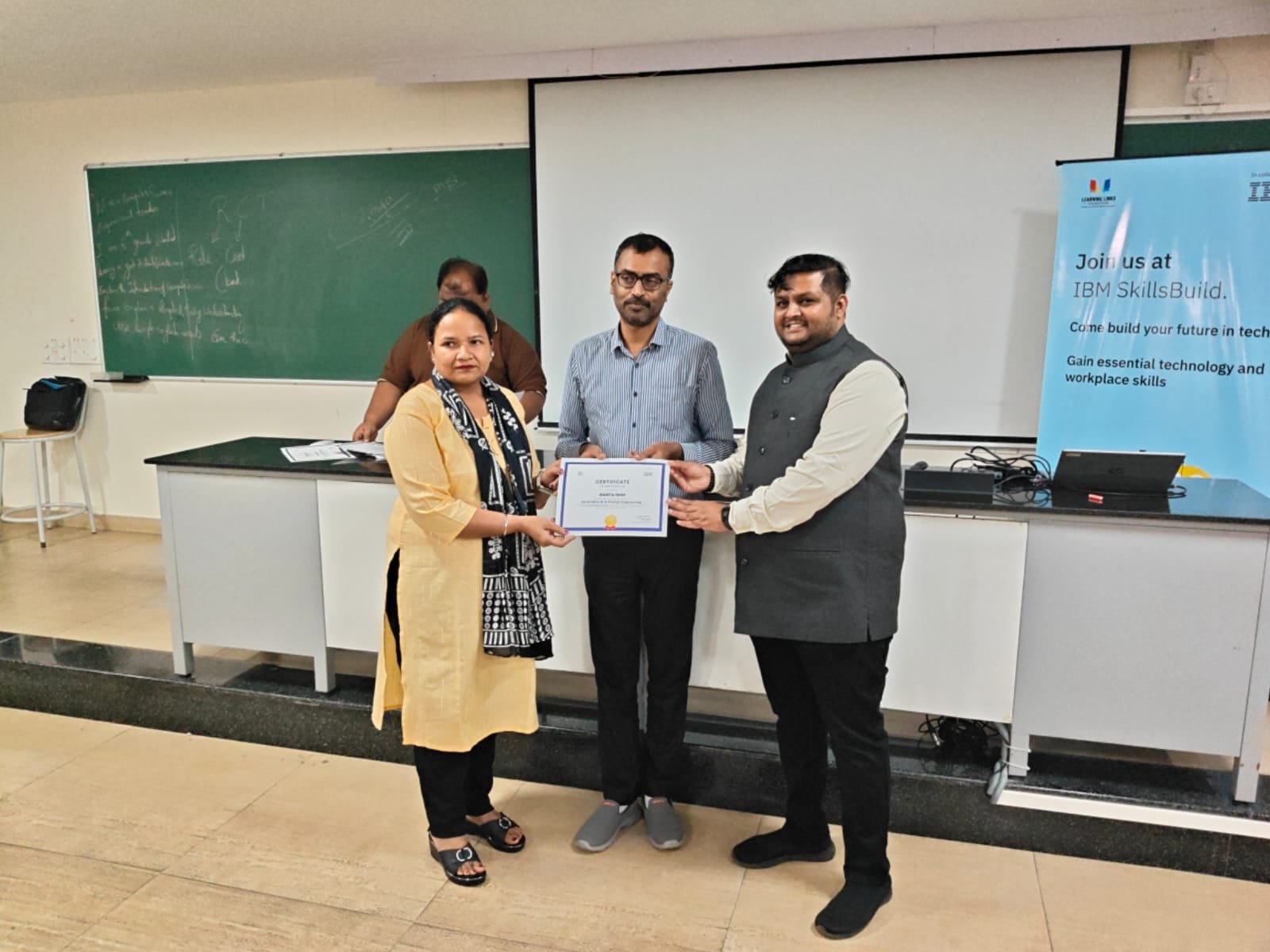
One of the most appreciated sessions was conducted by Sri Sachin Kumar Patil, who introduced participants to Generative Artificial Intelligence and Prompt Engineering. The session focused on the latest AI tools, effective prompting techniques, classroom applications of generative AI, and methods to responsibly integrate AI technologies into teaching and learning.
The programme also featured specialised sessions on emerging educational technologies. Dr. Anand Sahu delivered an insightful lecture on Future Classroom Technologies, demonstrating how immersive technologies, smart classrooms, and AI-powered educational tools can transform teaching methodologies. Dr. Sehra Sahu discussed the importance of Responsible AI, emphasizing ethical considerations, transparency, fairness, accountability, and the responsible use of artificial intelligence in educational institutions.
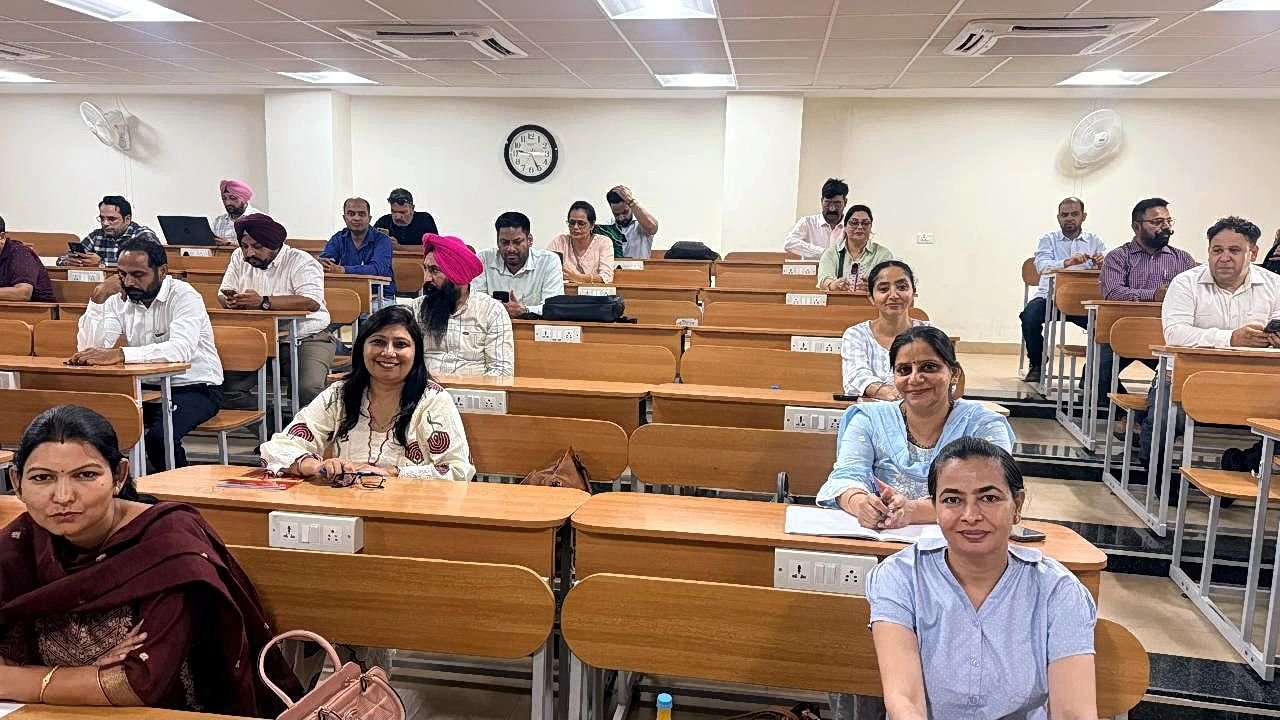
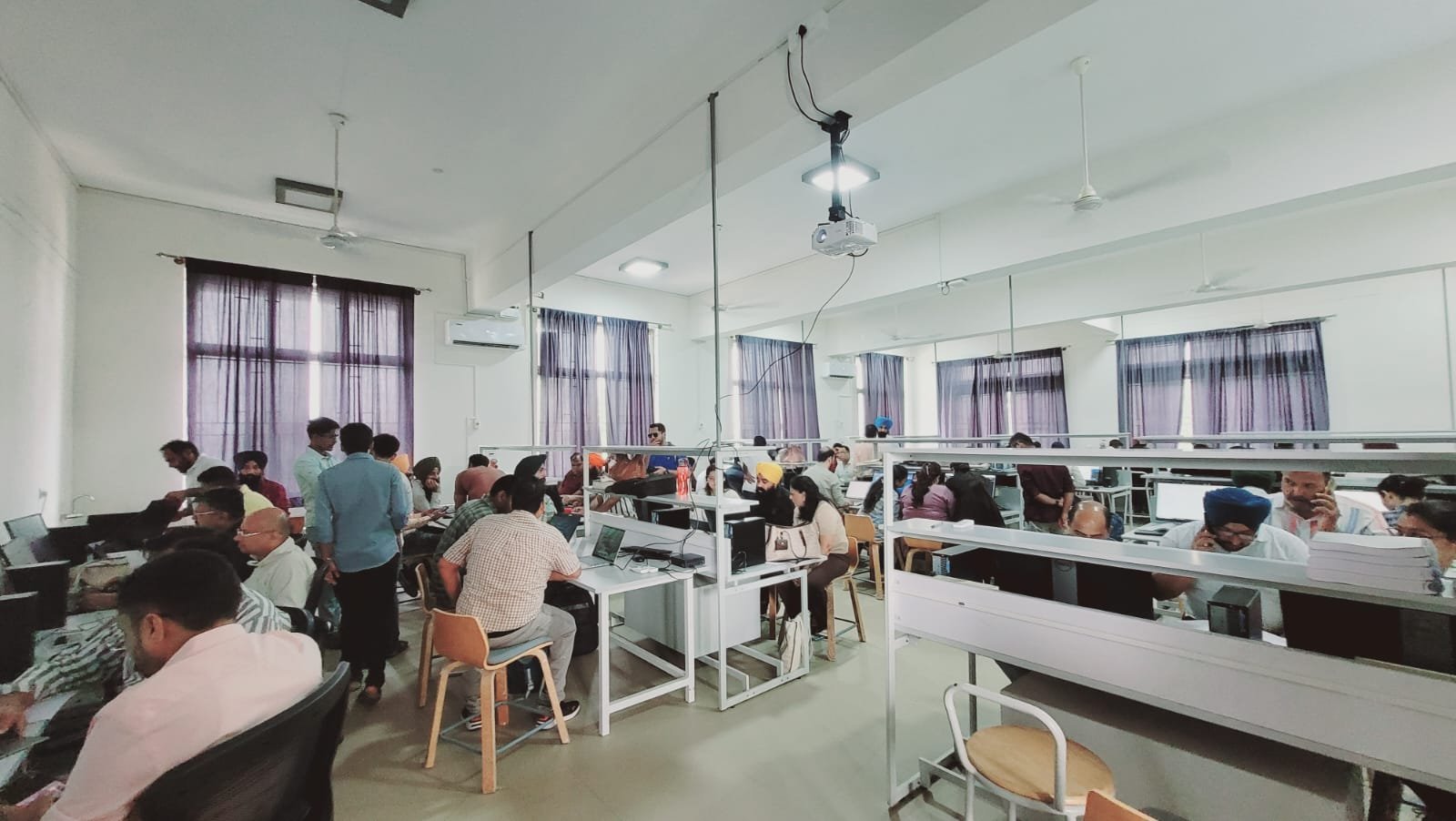
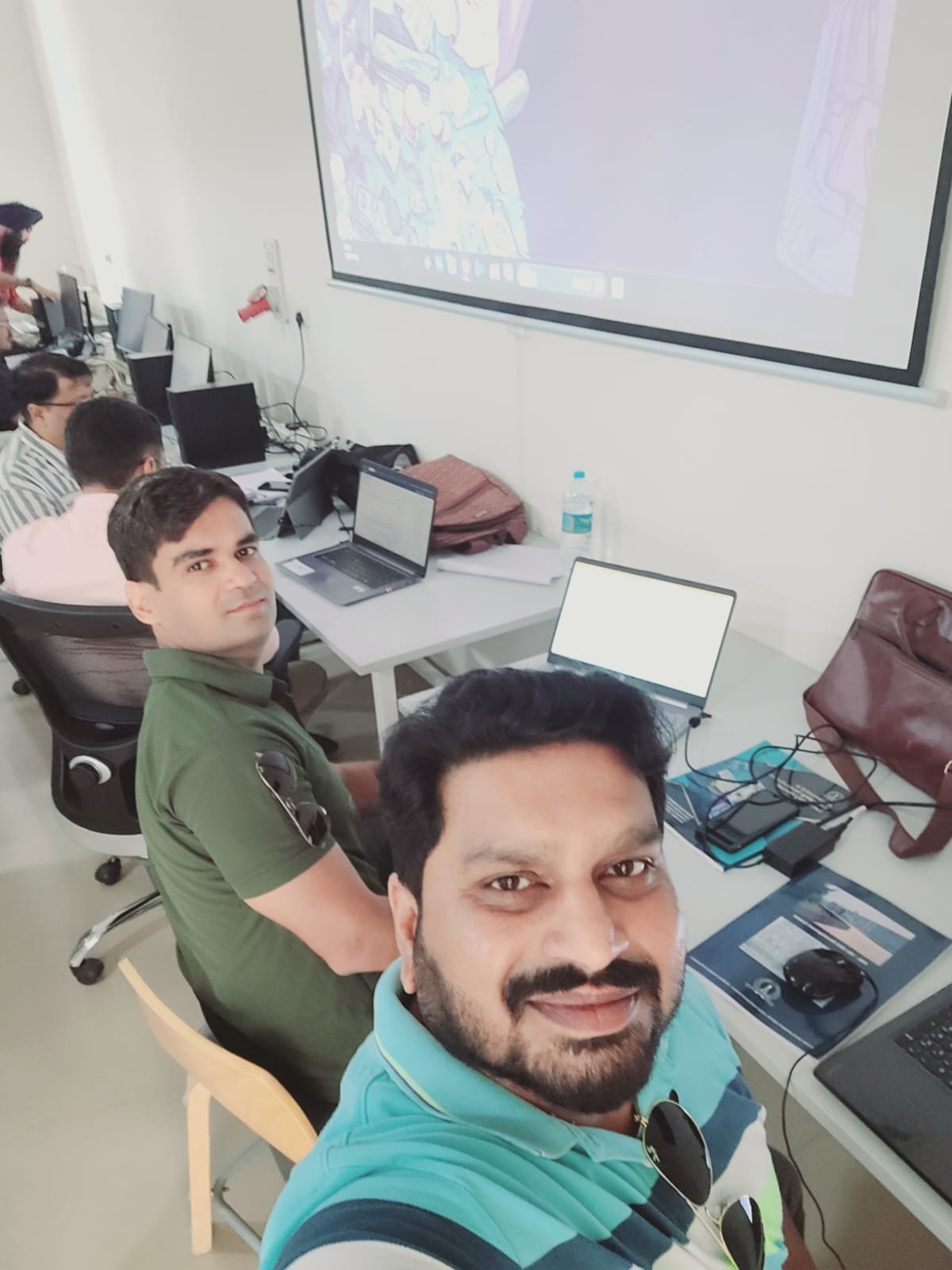
Cybersecurity and institutional digital safety were covered by Dr. Anna Vargyas, who explained best practices for cyber safety, institutional security policies, digital privacy, and online safety measures for schools. Dr. Vishnu T.R. conducted an informative session on Evaluating AI Systems, helping participants understand methods to assess the performance, reliability, and limitations of AI applications. The programme concluded with an engaging session by Priyanshu Kumar Gupta on AI-Assisted Teaching, demonstrating how teachers can effectively integrate AI-powered tools into lesson planning, classroom instruction, assessments, and personalized learning.
The participating teachers expressed their sincere appreciation to all the professors, scientists, and trainers of IISc for providing exceptional academic guidance and practical exposure to advanced technologies. The sessions on Artificial Intelligence, Machine Learning, Generative AI, Deep Learning, and emerging technologies were particularly appreciated for their relevance to modern education and their potential to transform classroom teaching.
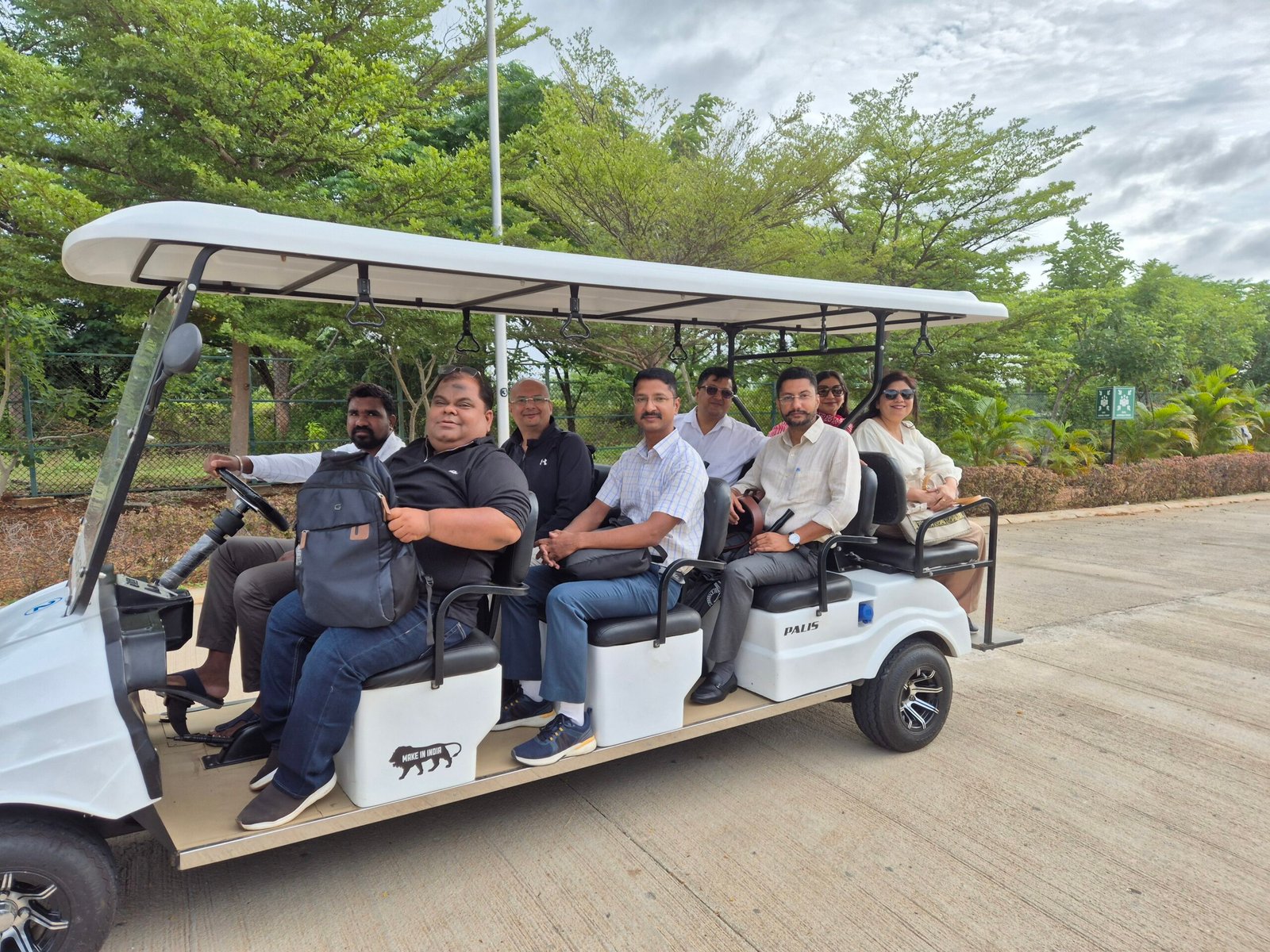
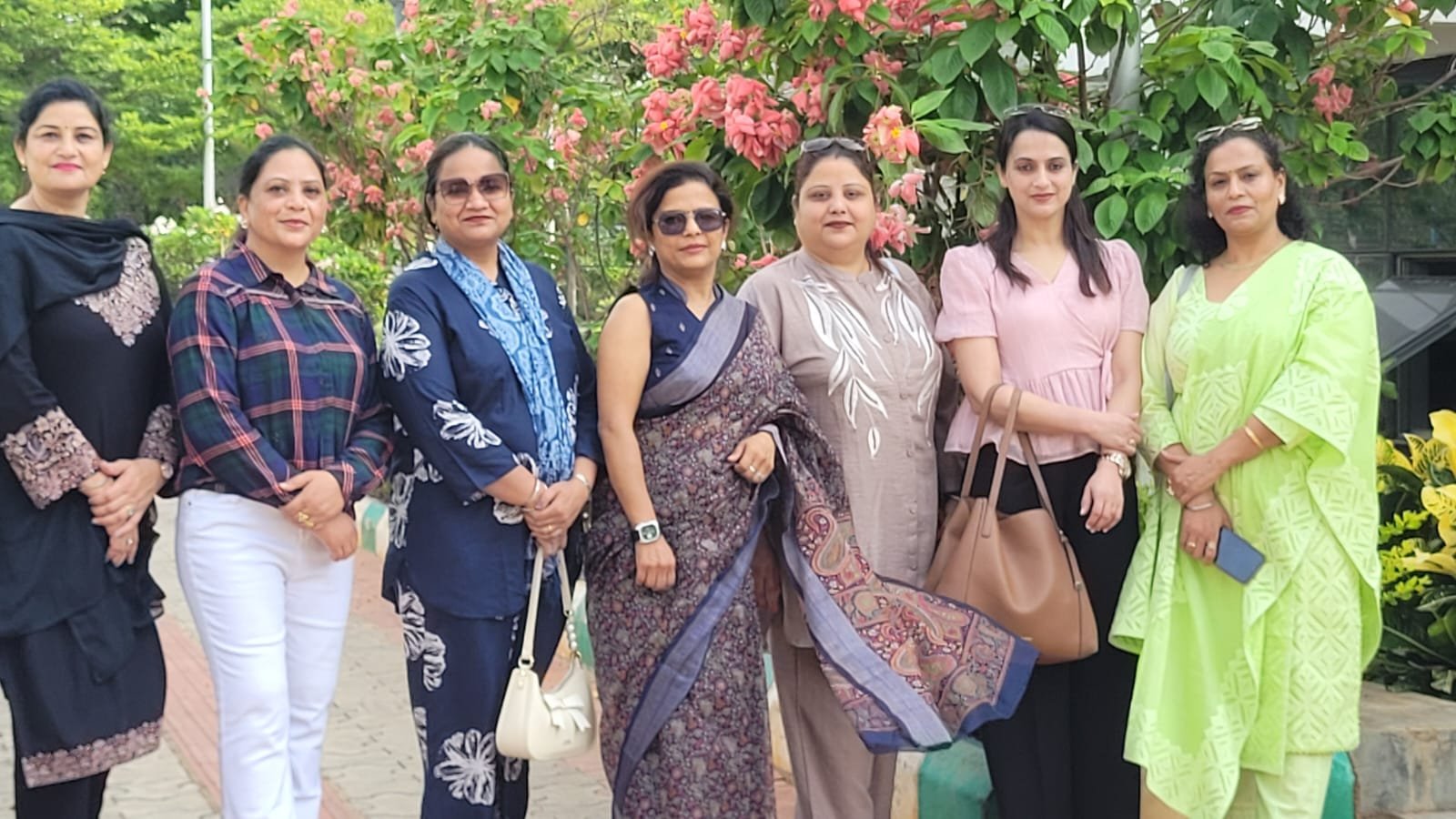
Apart from the academic sessions, the participants highly appreciated the overall environment of Karnataka and the excellent arrangements made by IISc. They praised the remarkable cleanliness of the campus and surrounding areas, the hygienic quality of food and drinking water, the well-maintained hostel accommodation, the pleasant weather, and the warm, courteous, and friendly behaviour of the local people. The teachers described the entire learning environment as highly professional, comfortable, and inspiring.
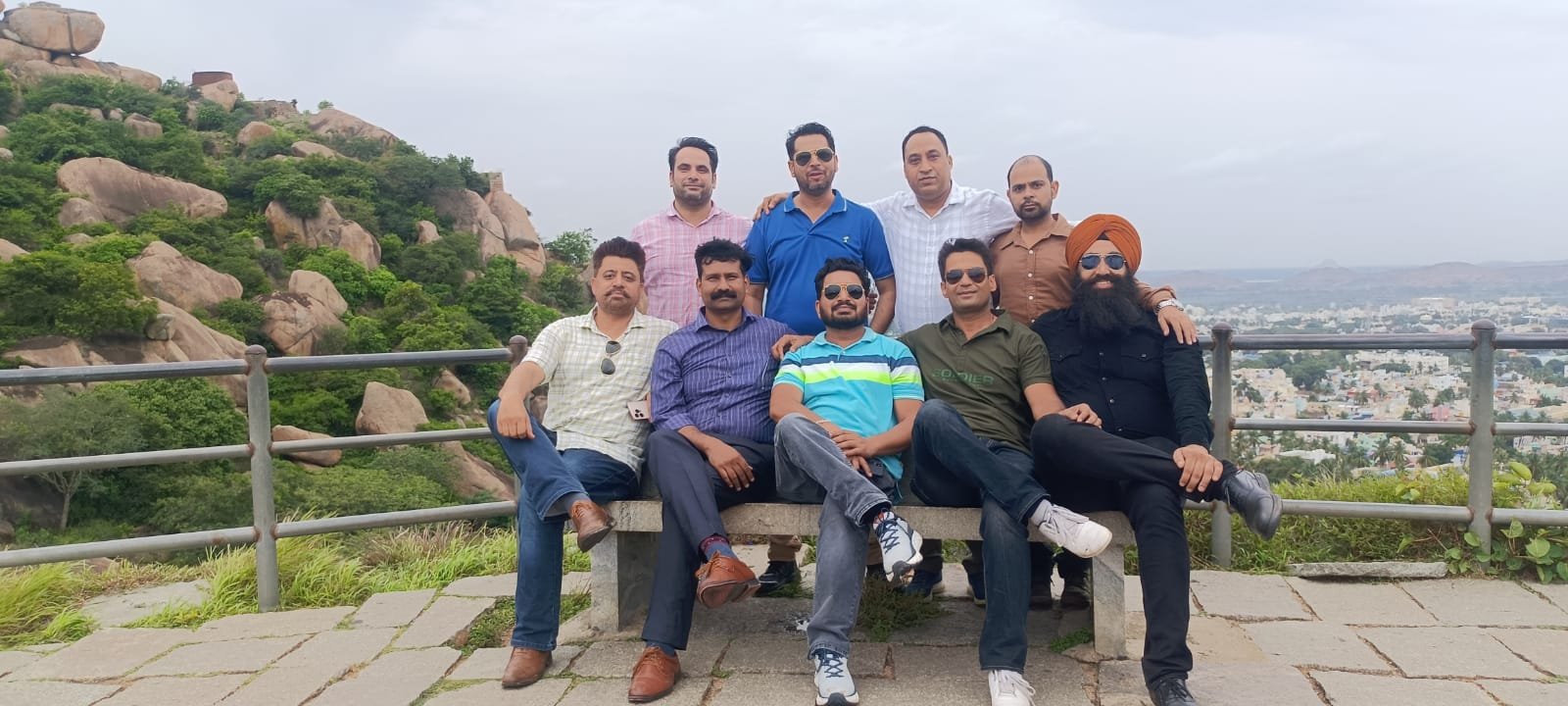
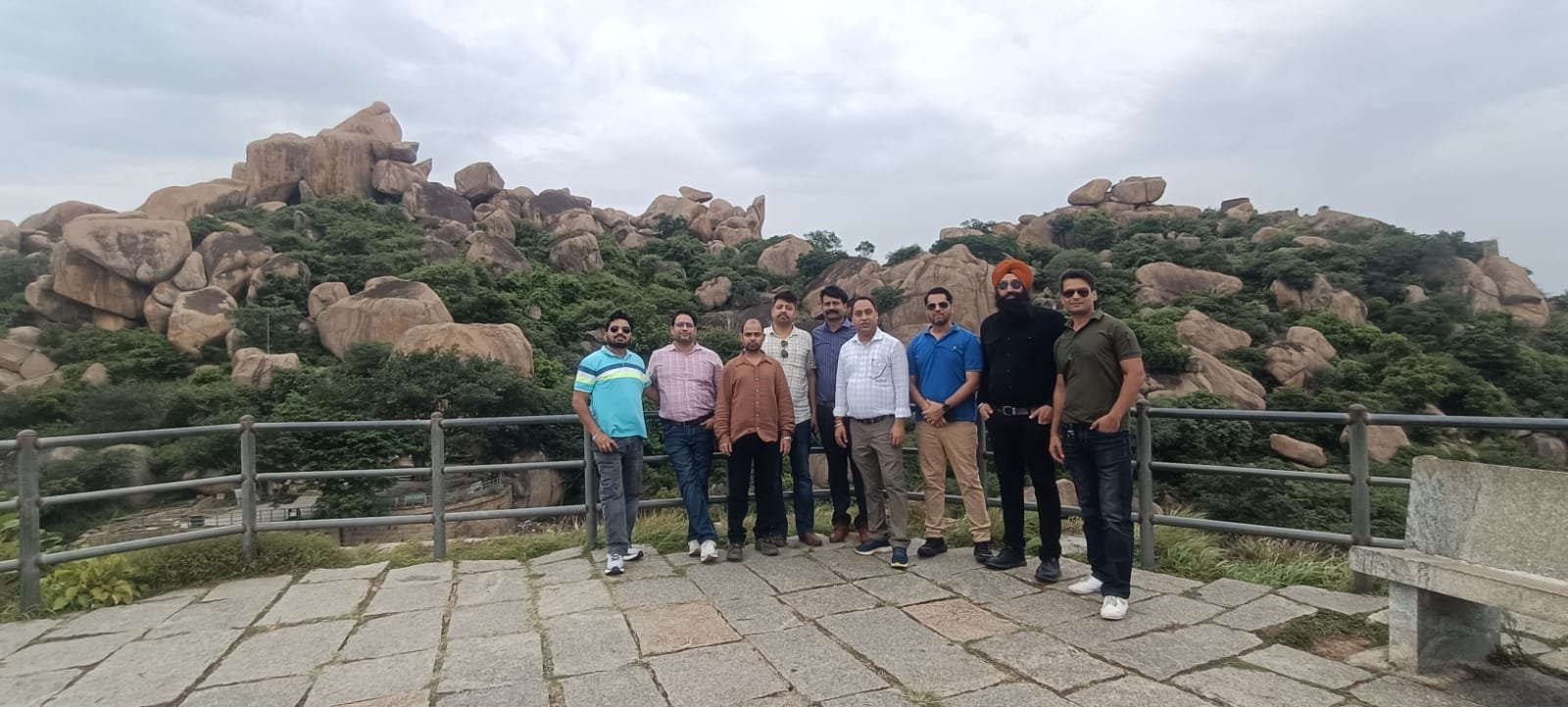
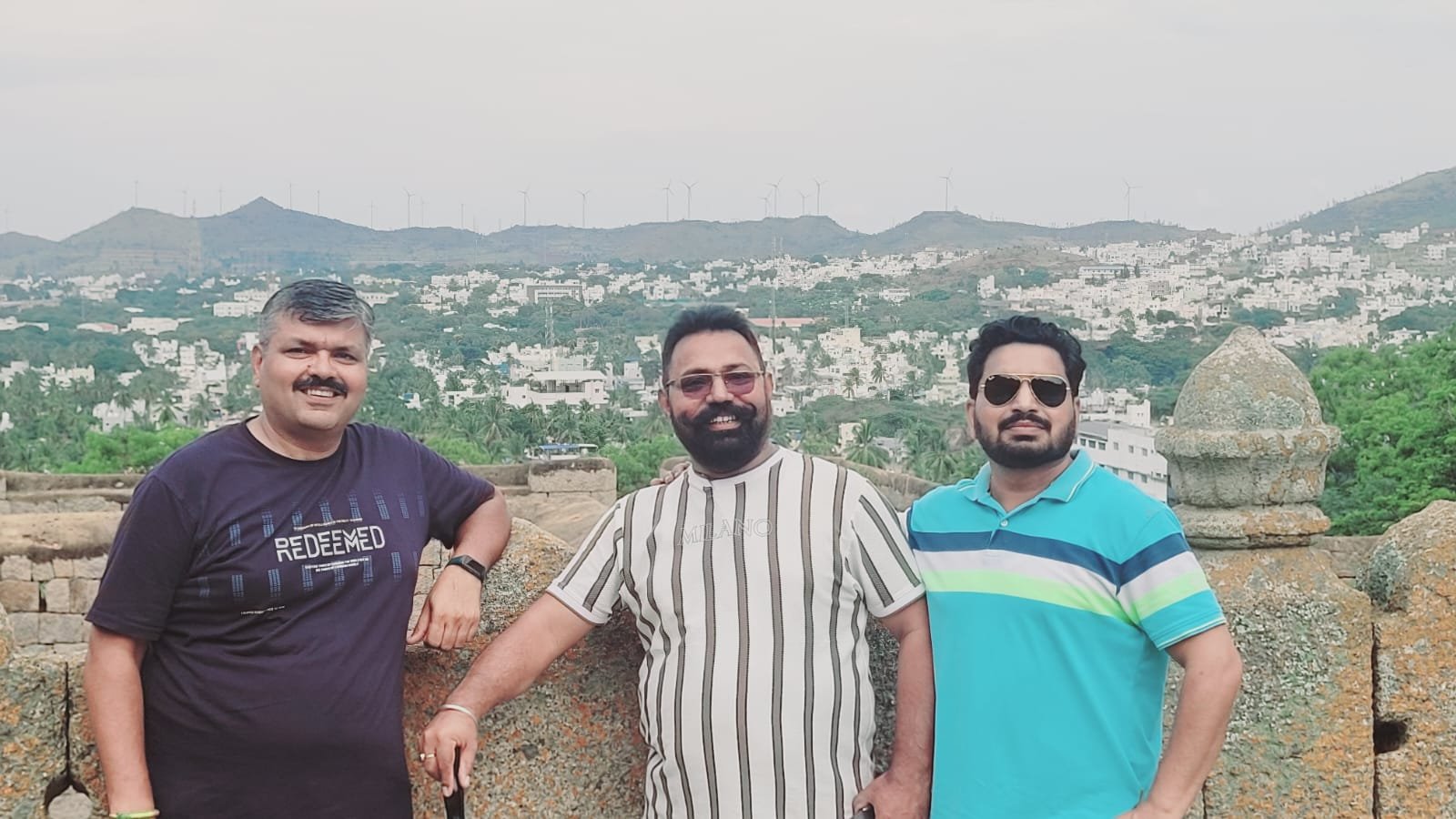
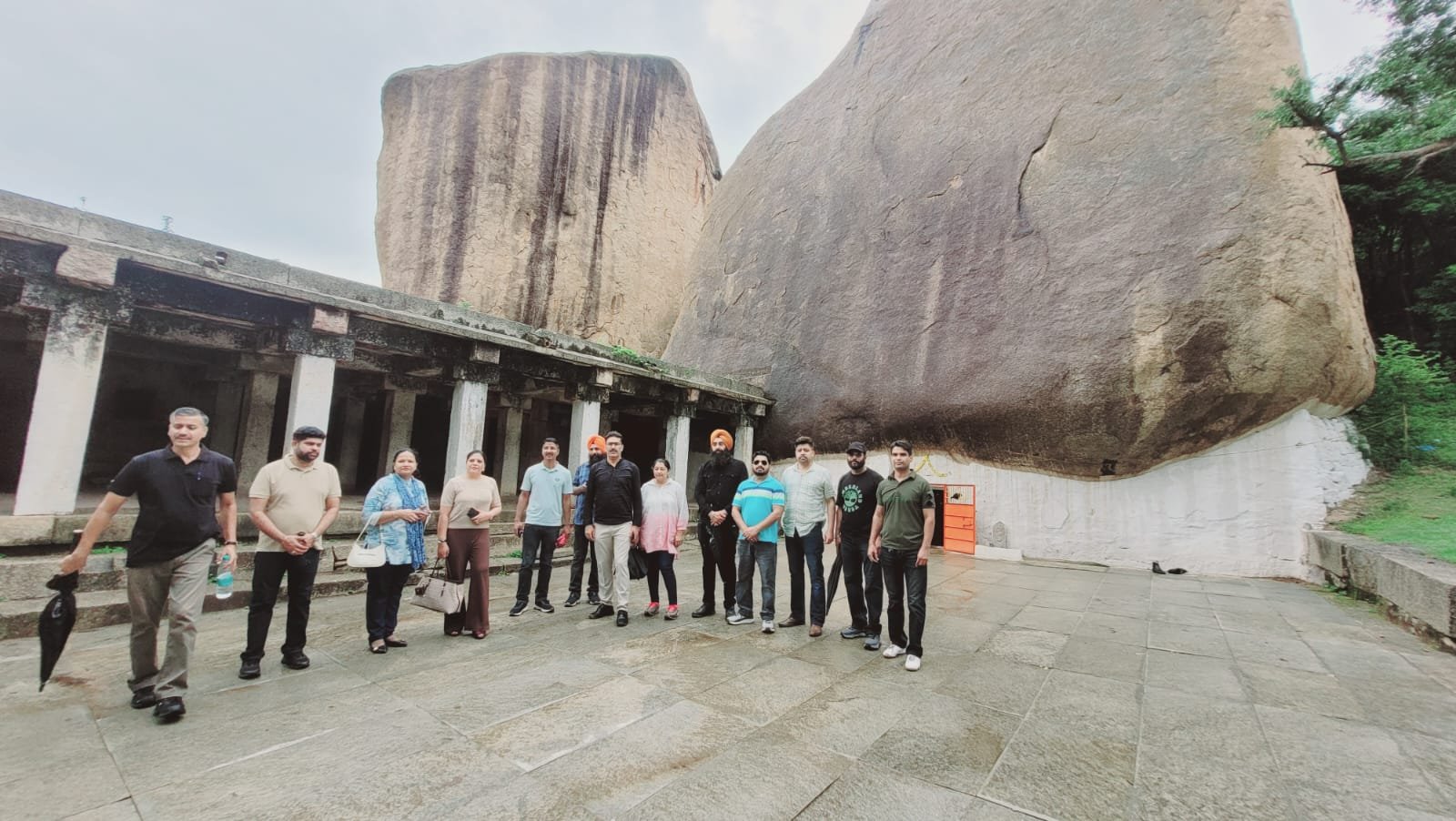
As part of the programme, the participants also had the opportunity to explore Karnataka’s rich heritage. One afternoon, after the academic sessions, they visited the historic Chitradurga Fort, where they explored its magnificent stone walls, ancient bastions, gateways, and temples while learning about its historical significance.
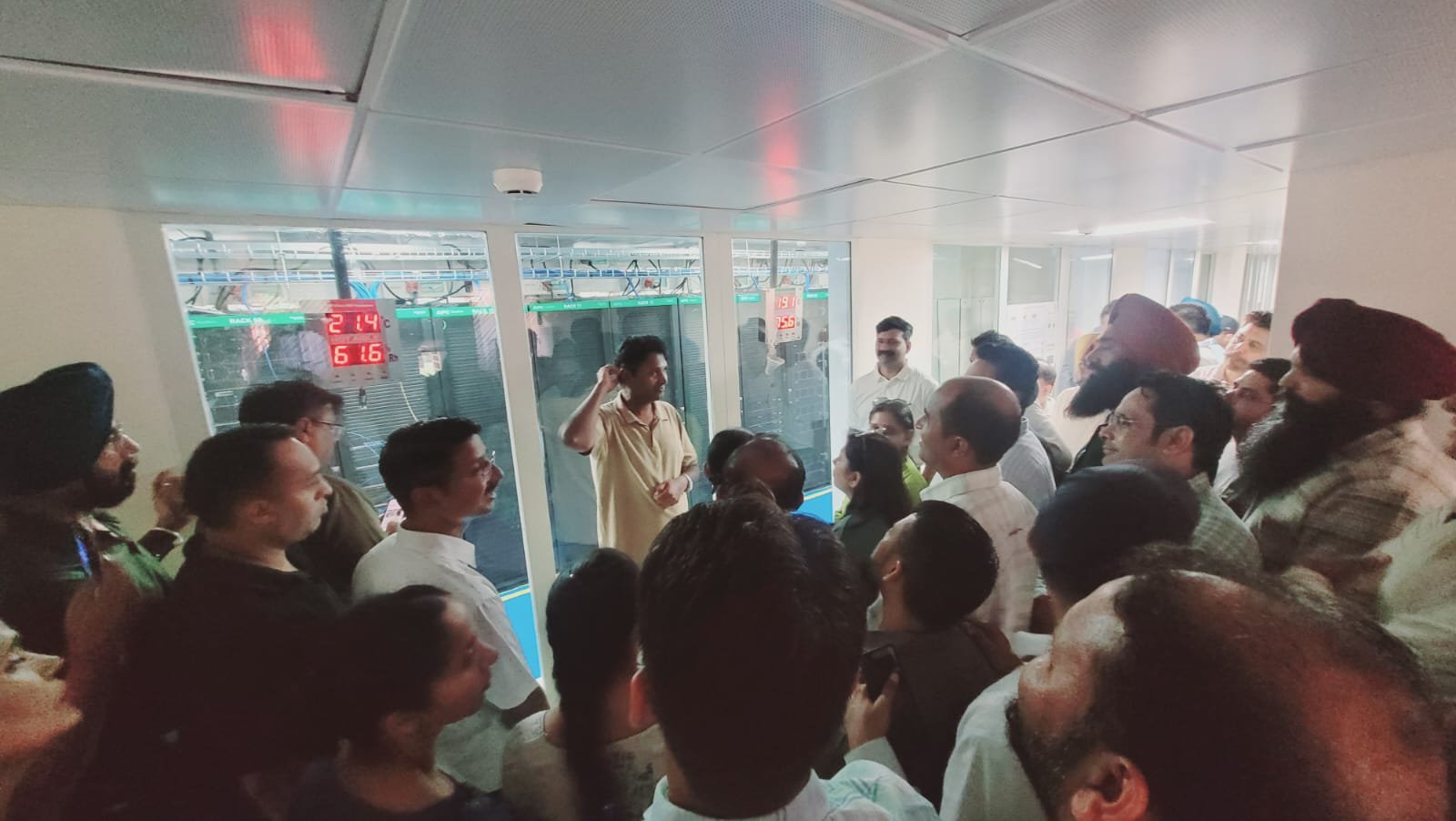
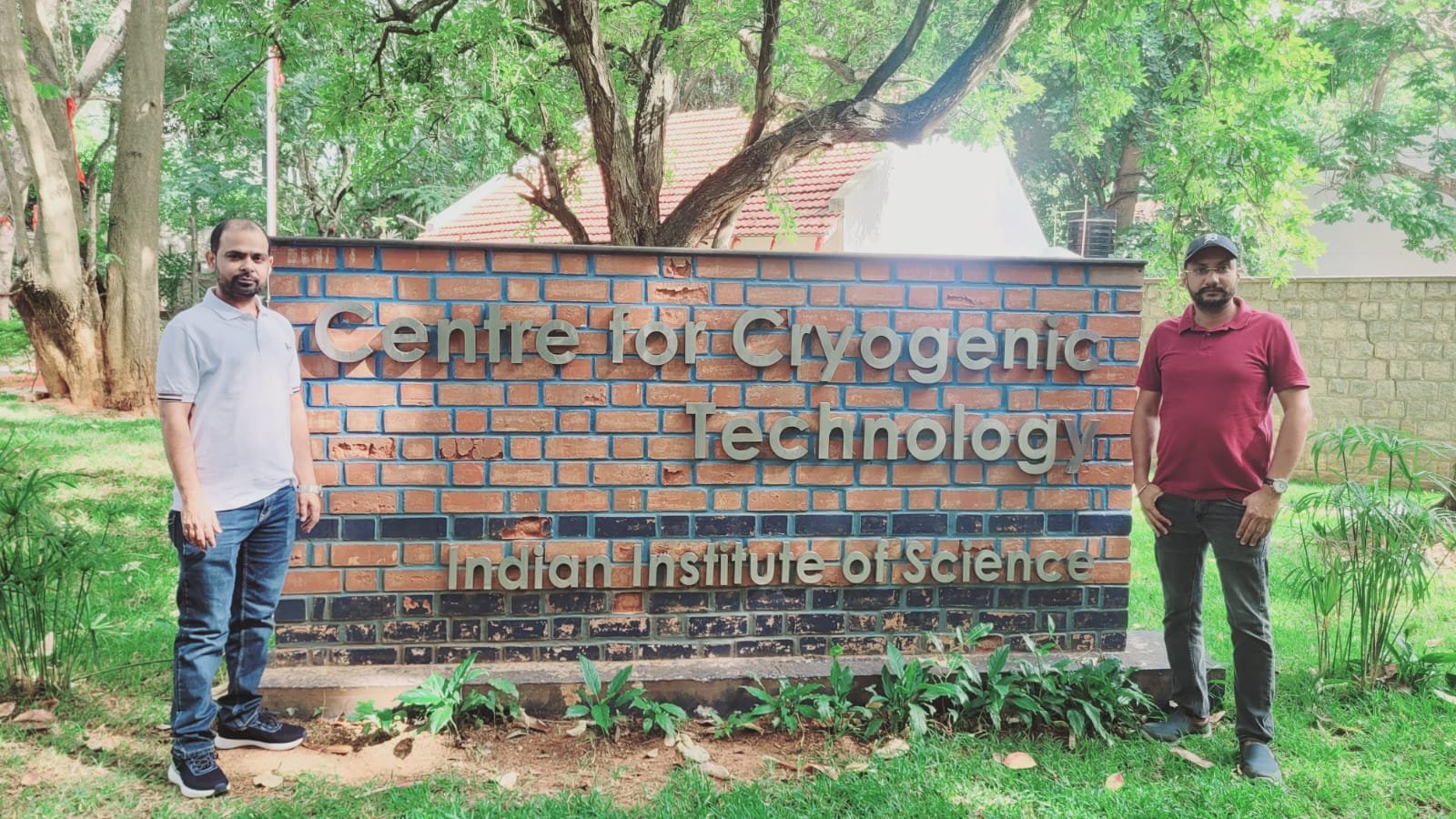
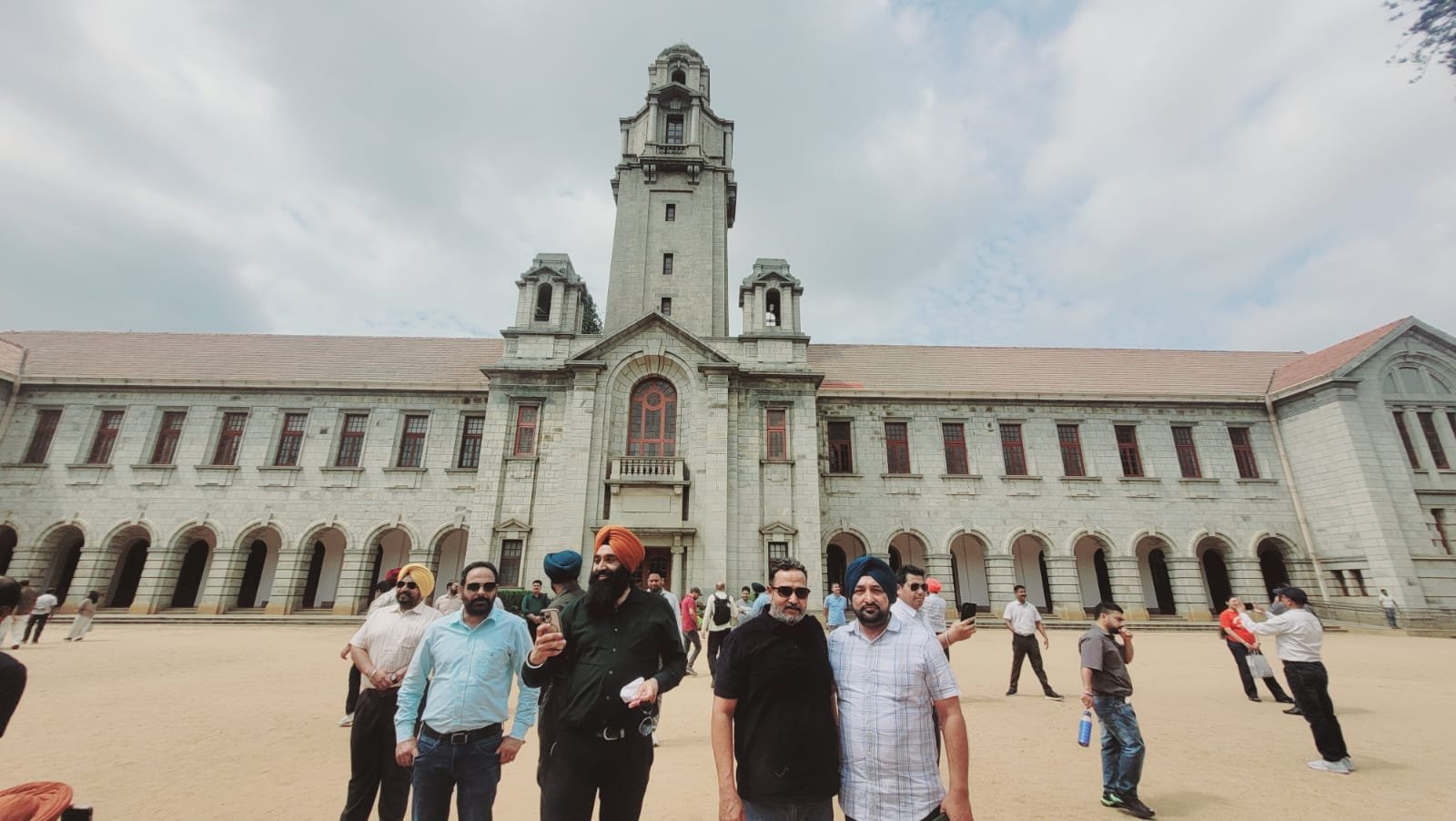
On the final day of the programme, the participants departed from their hostel at 4:00 a.m. for a special educational visit to the main campus of the Indian Institute of Science in Bengaluru. Guided by Dr. Subba Reddy and his team, the teachers toured several world-class research laboratories, including the prestigious Supercomputer Laboratory, where they witnessed advanced scientific research infrastructure and cutting-edge technological innovations.
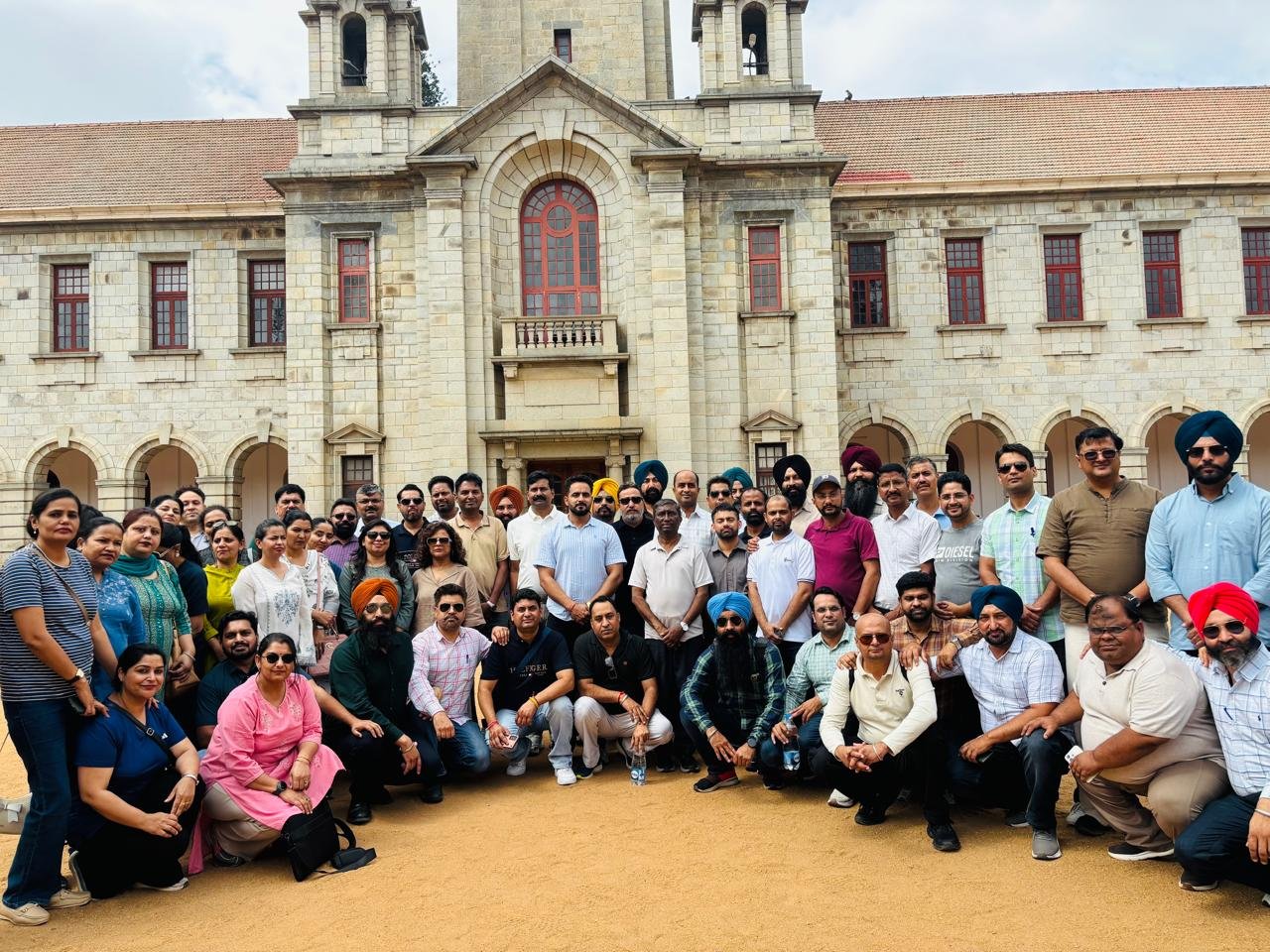
Expressing gratitude on behalf of the Punjab delegation, Yunes Khokhar, SRP Computer Punjab, thanked the organisers by saying:
“Thank you, Dr. Subba Reddy Sir, and the entire Challakere team for organising such a wonderful and enriching training programme. Your guidance, insightful sessions, excellent arrangements, and warm hospitality made this a truly memorable learning experience. We sincerely appreciate all your efforts and look forward to future collaborations.”
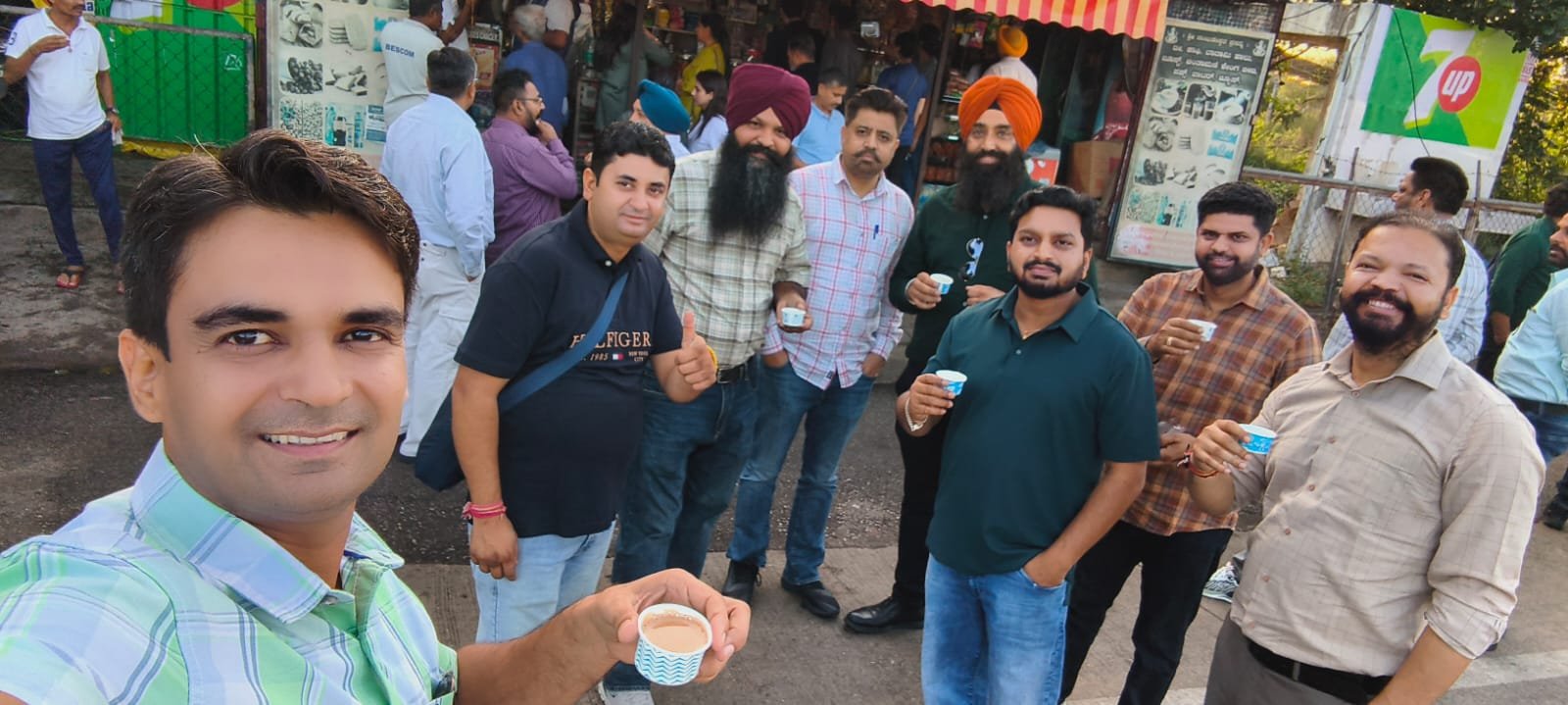
The delegation comprised Computer Teachers and District Resource Persons (DRPs) representing government schools from every region of Punjab. The districts represented included Amritsar, Barnala, Bathinda, Faridkot, Fatehgarh Sahib, Fazilka, Ferozepur, Gurdaspur, Hoshiarpur, Jalandhar, Kapurthala, Ludhiana, Malerkotla, Mansa, Moga, Pathankot, Patiala, Rupnagar, SAS Nagar, Sangrur, SBS Nagar, Sri Muktsar Sahib, and Tarn Taran.
The teachers who participated in the programme were:
Amritsar: Sourabh Deep (DRP Computer, GSSS Naushehra Khurd), Navjot Singh (GSSS Bhangali Kalan), Harpal Singh (GSSS Sohian Kalan).
Barnala: Saroj Rani (GSSS Bhadaur Girls), Harpal Kaur (GSSS Chappa).
Bathinda: Gurmeet Singh (DRP Computer, Shaheed Jaskaran Singh GSSS Maisarkhana), Anita Rani (GHS Bhucho Mandi Girls), Gurpreet Kaur (GSSS Bhucho Mandi Boys).
Faridkot: Kuldeep Singh (DRP Computer, PM Shri GSSS Bargari), Deepti Garg (Dr. Mohinder Brar Sambhi PM Shri GGSSS Faridkot), Sharanjit Singh (PM Shri GSSS Bargari).
Fatehgarh Sahib: Maninder Singh (DRP Computer, School of Eminence Amloh), Shyam Kumar (PM Shri GSSS Sirhind Mandi Girls), Gurpreet Singh (PM Shri GSSS Naraingarh).
Fazilka: Sataya Sawaroop (GHS Noorsha), Hari Krishan (GSSS Nihal Khera).
Ferozepur: Harjit Singh Sandhu (DRP Computer, GHS Piareana), Shamsher Singh (PM Shri Talwandi Bhai Girls), Gurvinder Singh (PM Shri GSSS Karian Pehalwan).
Gurdaspur: Sandeep Singh (GSSS Dakoha), Gurpreet Singh (GSSS Fatehgarh Churian Boys).
Hoshiarpur: Tinku Tejpal (PM Shri GSSS Sagran), Verinder Singh (PM Shri GMHS Talwara Sector-2).
Jalandhar: Harjeet Singh (GHS Rohjari), Jaswinder Kaur (GSSS Nakodar Girls).
Kapurthala: Poonam Chawla (GSSS Phagwara Girls), Veenu Sood (GHS Chacho Ki).
Ludhiana: Kulwant Singh Pandori (DRP Computer, GMSSS PAU), Vipan Paul Guru (PM Shri GMSSS Cemetery Road), Gurmit Singh (GSSS Bhaini Bringa).
Malerkotla: Mohd Aarif (DRP Computer, GHS Mandian), Jagdeep Singh (PM Shri GHS Mohalla Amarpura), Rajdeep Sharma (PM Shri GSSS Amargarh).
Mansa: Ashu (PM Shri GGSSS Budhlada), Mamta Rani (PM Shri GGSSS Boha).
Moga: Parminder Singh (Shahid Jaimal Singh GSSS Ghaloti), Jagroop Singh (PM Shri GSSS Mari Mustafa), Gurpiar Singh (DRP Computer, GSSS B Dala).
Pathankot: Navneet Sharma (Lala Lajpat Rai PM Shri GSSS Sujanpur Boys), Chatter Singh (PM Shri GSSS Badhani).
Patiala: Balwinder Singh (GSSS Multipurpose Patiala), Sumit Kumar (GSSS NTC Rajpura).
Rupnagar: Dishant Mehta (DRP Computer, GSSS Nangal Girls), Ravneet Kaur (GSSS Kathera), Lakhwinder Kaur (GHS Matour S.S.P.S.).
S.A.S. Nagar: Gagandeep Kaur (Shaheed Subedar Balbir Singh GHS Dappar Derabassi-II), Krishan Gopal Mehta (PM Shri GHS Phase-5).
Sangrur: Sachin Kumar (PM Shri GGSSS Moonak), Gagandeep Marken (MKS PM Shri GSSS Boys Bhawanigarh), Jasbir Singh (DRP Computer, GSSS Bhattiwal Kalan).
SBS Nagar: Lakhwinder Singh (DRP Computer, GSSS Bhaddi), Renu (PM Shri GGSSS Rahon), Ranjit Kaur (PM Shri GGSSS Rahon).
Sri Muktsar Sahib: Rohit Sachdeva (DRP Computer, GSSS Bhullar), Sourabh (GHS Tarmala), Naresh Kumar (GSSS Kotli Ablu).
Tarn Taran: Manohar Singh (DRP Computer, GHS Lalpur), Gurpreet Singh (PM Shri GHS Sarai Amanat Khan), Rajesh Kumar (GSSS Khalra Boys).
The successful completion of this intensive training programme under Mission Raftaar at one of India’s premier scientific institutions represents a major milestone in strengthening technology education in Punjab. By empowering government school computer teachers with advanced knowledge of Artificial Intelligence, Machine Learning, Internet of Things, Generative AI, and emerging digital technologies, the initiative is expected to significantly improve classroom teaching, promote innovation, and benefit thousands of students studying in government schools across Punjab in the years ahead.